Search "best CRM for tour operators" and you'll mostly find rankings of generic sales tools dressed up for travel. The truth is that the right CRM for a DMC or tour operator isn't the one with the longest feature list — it's the one that understands a trip, survives a busy season, and your team is still using six months later. Here's what actually separates the keepers from the shelfware in 2026.
Why a generic CRM quietly fails travel businesses
A standard CRM is built around a "deal" — a single number that moves through stages until it's won or lost. A tour, though, isn't a number. It's days, destinations, hotels, transfers, guides, traveller counts, seasonal rates and three rounds of revisions. When you force that complexity into a generic deal record, you end up managing the real trip in a spreadsheet or on WhatsApp anyway, and the CRM becomes a second place to update rather than your single source of truth.
So the first question isn't "how many integrations does it have?" It's "does this tool think in itineraries, or in deals?" Everything else follows from that answer.
The features that actually decide it
1. It builds the trip, not just a quote line
The CRM should let you construct a day-by-day itinerary inside the record — destinations, inclusions, pax, costs — so the sale and the trip are the same object. If the itinerary lives somewhere else and the CRM only stores a total, you'll always be reconciling two systems.
2. It turns an itinerary into a proposal you can send and track
Your proposal is your sales pitch. Look for one-click, branded, photo-rich proposals generated from the itinerary itself. The best setups let you know when a client has opened the proposal, so you time your follow-up for the moment you're actually top of mind.
3. It captures every lead automatically
Enquiries arrive from a website form, Instagram, WhatsApp and referrals. A CRM that auto-captures website and form leads into one pipeline — instead of relying on someone to copy them in — is the difference between a 3% and a 30% follow-up rate.
4. It connects the sale to the back office
Booking the trip is only half the job. The CRM should carry a confirmed booking straight into suppliers, costing, payments, GST invoices and vouchers — so a sale flows into operations instead of being re-keyed four times.
- Suppliers & ledger — track what's confirmed, what's paid, and what each trip truly costs.
- Payment links — collect deposits and balances online instead of chasing screenshots.
- GST invoices & vouchers — generated from the same booking, not rebuilt by hand.
- Costing & markup — see your margin on every trip before you send the quote.
The things buyers underrate
Pricing that fits an agency, not an enterprise
Per-user, per-module pricing can quietly turn a three-person agency into an enterprise invoice. Look for transparent pricing in your own currency that grows with your bookings. JK Tour CRM, for context, starts at ₹500/month precisely so the tool scales behind your growth rather than ahead of it.
AI you control
AI itinerary and reply drafting is genuinely useful in 2026 — but cost and lock-in matter. A bring-your-own-key (BYOK) model lets you connect your own AI provider, pay only your provider's rate, and switch models whenever you like. That's very different from being metered by the CRM vendor.
Reports that tell you what to do next
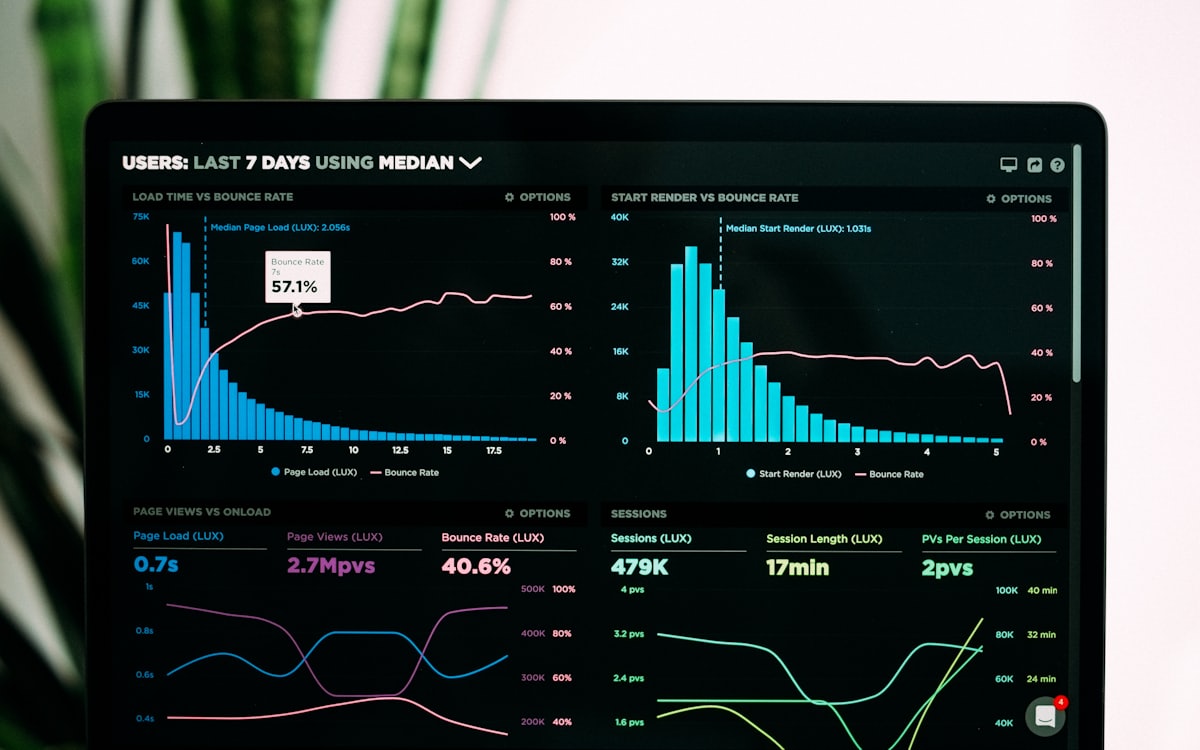
Dashboards are easy; insight is rare. The CRM should show conversion rate, average booking value, lead sources and — increasingly — AI-assisted sales intelligence that flags which quiet leads are worth chasing. Numbers you'll actually act on beat charts you'll admire once.
Room to grow: roles, multi-brand, API, PWA
As you scale you'll want staff roles and permissions, the ability to run more than one brand, a public API to plug into your website, and a PWA so your team can work from a phone in the field. You don't need all of it on day one — but you'll be glad it's there when you do.
The best CRM for a tour operator isn't the most powerful one. It's the one your team will still be using in six months, because it fits how trips are actually sold and run.
How to run the comparison
Don't demo on a sunny day with a fake trip. Take your messiest real enquiry — the one with five hotels, two destinations and a fussy client — and build it end to end in each tool. Time how long it takes to go from enquiry to sent proposal to invoice. The CRM that handles your worst Tuesday is the one that will hold up all season.
The bottom line
Generic CRMs sell software; travel CRMs sell trips. If your current tool was clearly built for something other than tours, you're paying for it twice — once in subscription and once in the workarounds. Want to see what a travel-native workflow feels like? Try the free JK Tour CRM demo and build one of your real itineraries from enquiry to invoice in a few minutes.