A family holiday has one goal: everyone comes home happy, including you. That is harder than it sounds when the group spans a restless six-year-old, two parents who want some rest, and grandparents who cannot walk as far as they used to. The secret to a smooth family vacation is not doing more. It is planning around the whole group's real pace and leaving room for the day to breathe. Here are the family vacation planning tips that actually keep the peace.
Plan around the slowest traveller
The single most useful rule for family travel: plan to the pace of your slowest member, not your fastest. If one person tires quickly, whether a young child or an older parent, the whole day has to fit their limits or the trip turns tense. That does not mean doing less that is interesting. It means choosing activities and distances the whole group can enjoy together, and resisting the ambitious itinerary that looks great on paper and exhausts everyone by lunch.
Pacing and built-in downtime
Families need more rest built in than couples or solo travellers, not less. Children melt down when overtired, and adults get short-tempered when overscheduled. Plan one main activity per day, with real downtime around it: a slow breakfast, an afternoon back at the hotel, an early evening. A trip with gaps feels generous and relaxed. A trip crammed to the edges feels like a forced march, no matter how lovely the destinations are.
A good family rhythm is one big thing a day, then a rest, then something easy. Save the ambitious, far-flung day for when everyone is fresh, usually early in the trip, never the day after a long journey.
Involve the kids in the plan
Children behave better on a trip they feel part of. Let each child pick one thing they are excited about, whether that is a cable car ride, a boat, or a particular animal they hope to see. Giving them a stake turns them from passengers into participants, and it heads off the boredom that causes trouble. Older kids can help research and choose, which makes them far more invested when the day arrives.
Activities that span ages
The best family activities work for a six-year-old and a sixty-year-old at once. Look for shared experiences rather than things only some of the group can do:
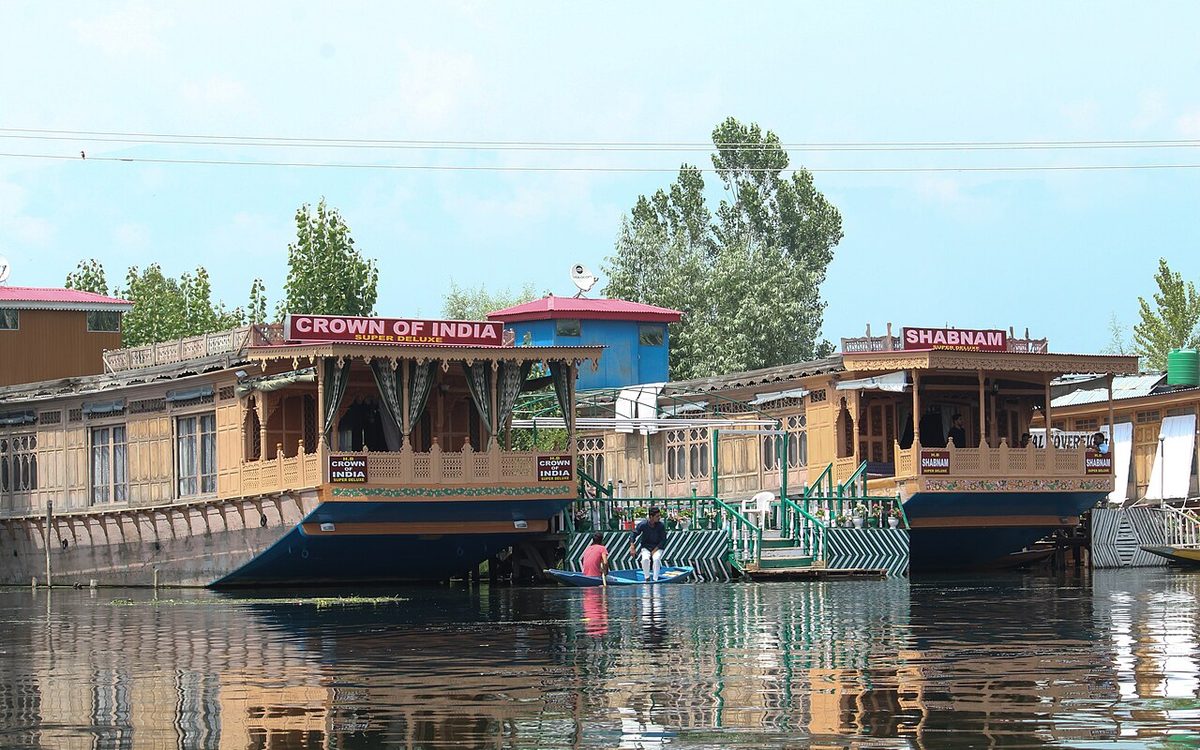
- A gentle boat ride, like a shikara on Dal Lake, that everyone can enjoy sitting down.
- A cable car or gondola, which gives big views without a hard climb.
- Easy nature walks with somewhere to stop and rest.
- Gardens, meadows and open spaces where kids can run and elders can sit.
Kashmir works well for mixed-age families for exactly this reason, with lake rides, gentle meadows and short drives between sights. Our Kashmir family tour guide lays out a route built around easy, shared days.
Travelling with elderly parents
Multigenerational trips are some of the most rewarding, and a little extra thought makes them comfortable for everyone. Choose stays with lifts or ground-floor rooms, keep daily walking distances short, and plan frequent rests. Carry any regular medication with a buffer, and note the nearest medical help at each stop. Pick activities elders can do seated or at their own pace. When grandparents are comfortable and unhurried, they add warmth to the trip that the kids will remember for life.
Food and fussy eaters
Hungry children are unhappy children, and strange food can be a battle. Plan around it. Carry snacks for the gaps between meals and for long drives. Pick places you know offer at least one thing each child will eat, and do not make every meal an adventure. Let the grown-ups try the local wazwan and specialities while the kids have something familiar. Keep water handy, especially at altitude where everyone dehydrates faster than they realise.
Rooms, connecting stays and logistics
Where and how you sleep shapes the whole trip for a family. Book connecting or family rooms where you can, so nobody is separated and bedtime is manageable. A slightly larger room or an apartment-style stay gives space to spread out, which matters over several days. Keep transfers short and direct, and build the itinerary so you are not packing and moving hotels every single day. Fewer, longer stays beat a nightly reshuffle with kids and luggage in tow.
Packing for a family
Packing for a crowd is its own skill. A few habits keep it under control:
- One shared bag for essentials everyone needs, so you are not opening five suitcases for a plaster.
- A day bag with snacks, water, wipes, a spare layer and any medication.
- Let older kids carry their own small bag, which teaches responsibility and lightens yours.
- Layers for changeable weather, especially in the mountains where mornings and evenings are cold.
Keeping costs sane
Family trips multiply every cost, so the budget needs a plan. Family rooms and apartments often beat booking multiple hotel rooms. Travelling in shoulder season cuts prices and crowds, which suits families anyway. Self-catering some meals saves money and keeps fussy eaters happy. Our travel budget planning guide shows a per-day method that scales neatly to a group, so the final number holds no surprises.
A family-trip checklist
- Pace set to the slowest member, with daily downtime.
- Kids involved, each with one thing to look forward to.
- Activities that span ages, mostly seated or gentle.
- Elder-friendly stays and short walking distances.
- Snacks, water and familiar food sorted.
- Family rooms and fewer hotel changes.
- Shared essentials bag and a day bag.
The bottom line
A smooth family vacation comes from pacing, not packing it in. Plan to the slowest traveller, leave real downtime, give everyone a say, and choose stays and activities that work for all ages at once. If coordinating rooms, transport and the needs of three generations feels like a lot to juggle, a good travel agent or planning tool handles the logistics, so you get to be on holiday with your family instead of managing it.


