Nobody comes home wishing they had packed more. The travel packing tips that actually work all point the same way: carry less, choose smarter, and pack for the trip you are taking rather than every disaster you can imagine. A lighter bag means less to drag, less to lose and more room for the shawl you buy along the way. Here is how to pack well, every time, without the night-before panic.
Pack to your itinerary, not your fears
The biggest mistake is packing for a dozen situations that will never happen. The fix is simple: lay your day-by-day plan next to your suitcase and pack only for what is on it. Three travel days, two nice dinners and a trek need very different clothes from a week of city walking. When you pack from the plan, the pile shrinks on its own. If you have not built that plan yet, our guide on how to plan a trip gets the itinerary down first, which makes packing almost automatic.
The layering system
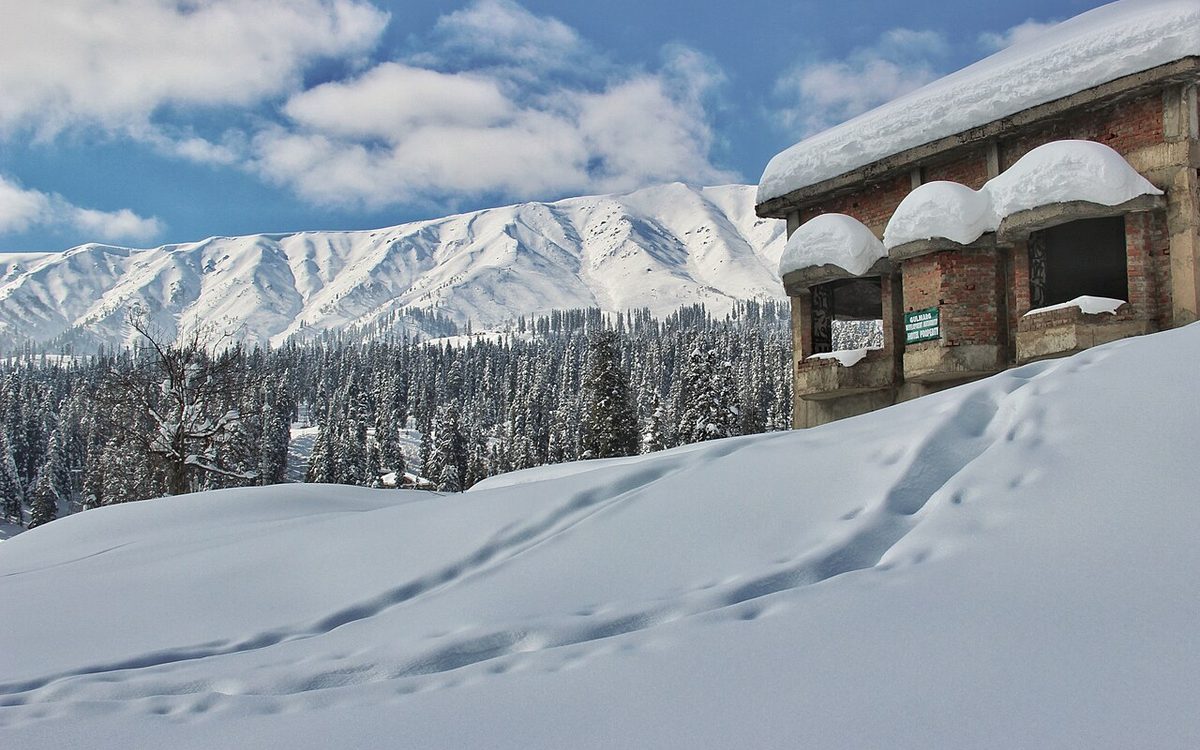
Layers beat bulk, especially anywhere the temperature swings. Instead of one heavy coat, pack thin layers you can add or shed through the day. A base layer, a warm mid-layer and a windproof outer shell handle a huge range of conditions and pack far smaller than a single thick jacket. This matters most for mountain destinations. A Kashmir morning in Gulmarg can be cold enough for a down layer while the afternoon in Srinagar is mild, and layers let one bag cover both.
- Base layer: light, breathable, next to the skin.
- Mid layer: a fleece or light down for warmth.
- Outer layer: windproof and water-resistant for weather and wind.
Roll, fold and use packing cubes
How you pack is as important as what you pack. Rolling soft clothes saves space and cuts creases. Packing cubes turn a chaotic bag into labelled drawers, so you find a shirt without unpacking everything. One cube for tops, one for bottoms, one for underwear and socks, one for a cold layer. When you arrive, the cubes slot straight into a shelf and your bag stays organised all trip.
The one-bag goal
Aim to fit everything in a single carry-on where you can. One bag means no checked luggage to wait for or lose, faster airports, and a trip you can actually carry up a flight of guesthouse stairs. The way to get there is ruthless editing. Lay out everything you think you need, then take away a third of it. Pick clothes that mix and match in one colour family, so three tops and two bottoms give you six outfits.
A good test: if you cannot comfortably carry your bag up two flights of stairs and walk ten minutes with it, it is too heavy. Take something out.
What never goes in a checked bag
If a bag can get lost, some things must never be in it. Keep these on your person or in your cabin bag, always:
- Passport, ID and travel documents.
- Money, cards and any valuables.
- Medication you take daily, with a little extra.
- Phone, chargers and a power bank.
- One change of clothes, so a delayed bag does not ruin day one.
Toiletries and liquids
Toiletries are heavy and mostly available where you are going, so travel light here. Decant into small bottles, keep liquids within airline limits if you are carrying on, and put everything in a leakproof bag because cabin pressure makes bottles weep. Buy bulky basics like shampoo at your destination rather than hauling full bottles. A solid bar of soap or shampoo saves both weight and the liquids limit.
Shoes, the space thief
Shoes eat more room than anything else, so be strict. Two pairs is usually plenty: one comfortable pair you wear on the plane, and one for the trip's main activity, whether that is a trek or a dinner out. Wear the heaviest pair while travelling so they are not in the bag. Stuff socks and small items inside the spare pair so no space goes to waste.
Tech and chargers
Cables multiply if you let them. Pack only what you will use: phone charger, a power bank, and a single multi-port plug rather than three separate adapters. If you are travelling abroad, check the plug type and carry one universal adapter. A small pouch for all your cables saves the daily hunt through the bag, and a power bank is worth its weight on long travel days and remote stretches where sockets are scarce.
Packing for cold versus warm destinations
The same principles bend to the weather. For cold trips, layers do the heavy lifting, and good gloves, a warm hat and proper socks matter more than another sweater. For a snow destination like Kashmir in winter, waterproof outer layers and grippy footwear make the difference between enjoying the snow and enduring it. For warm trips, pack light, breathable fabrics, sun protection and one layer for cool evenings or over-strong air conditioning. Either way, the bag stays small when the clothes work together.
A reusable checklist
Build the list once and reuse it forever, trimming for each trip:
- Documents: ID, tickets, bookings, insurance, copies.
- Clothes: layered, mix-and-match, packed in cubes.
- Shoes: two pairs, heaviest worn.
- Toiletries: small, leakproof, bought bulky at destination.
- Tech: chargers, power bank, one adapter.
- Health: medication, a basic first-aid kit.
- In the cabin bag: valuables, meds, one change of clothes.
For a destination-specific version, our Kashmir packing list shows how to adapt the same checklist to one place and season.
The bottom line
Pack to your plan, layer instead of bulk, keep valuables with you, and aim for one bag you can carry without a second thought. Do that and packing stops being the stressful part of the trip and becomes a ten-minute job. A clear itinerary makes it even easier, which is where a good planning tool or a travel agent quietly helps, by telling you exactly what each day needs so your bag never carries a single thing you will not use.


