Responsible travel sounds like it should be complicated or expensive. It is neither. It is mostly a set of small, sensible choices that add up: carrying a water bottle, buying from local hands, staying on the path, taking your rubbish with you. The places we love most are often the most fragile, and they stay worth visiting only if visitors tread lightly. Here are practical responsible travel tips anyone can follow, without turning the trip into a chore.
Why it matters, especially in fragile places
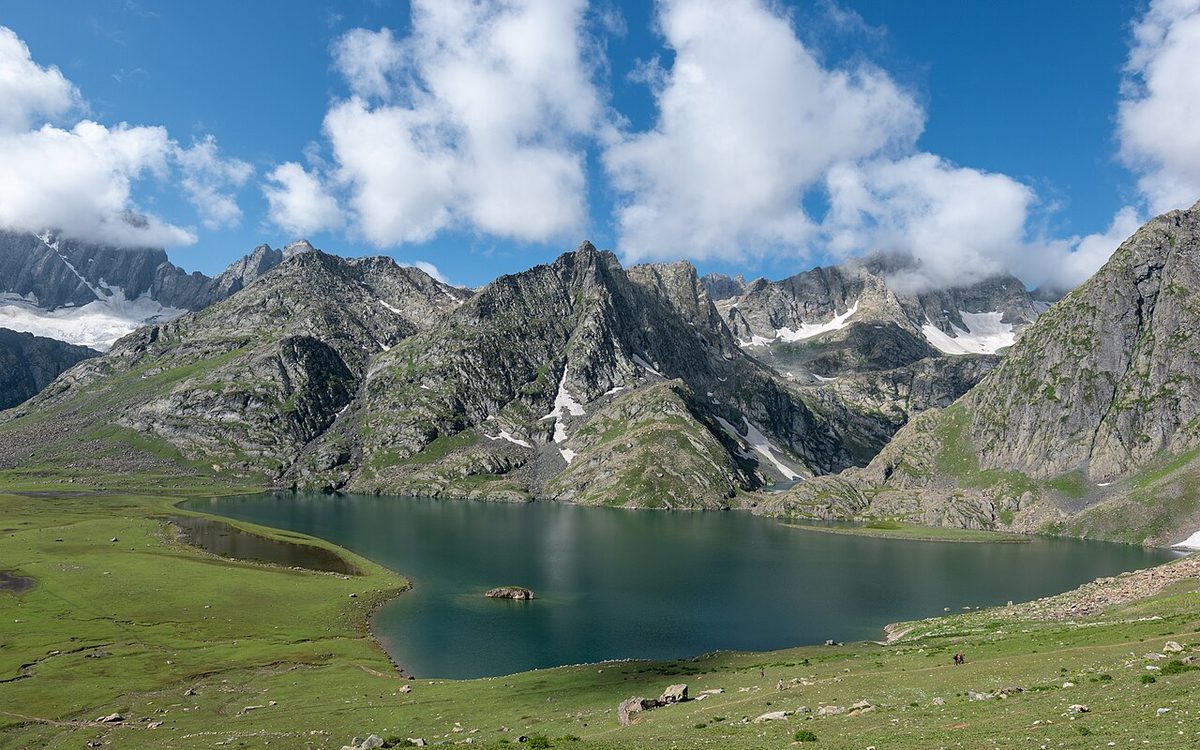
Popular destinations carry a heavy load. Thousands of visitors pass through the same meadows, lakes and trails, and the damage builds quietly: litter in alpine valleys, worn paths, pressure on local water and waste systems that were never built for the crowds. Mountain and lake environments like Kashmir's are especially delicate, slow to recover and quick to scar. Travelling responsibly is not about guilt. It is about leaving a place in good enough shape that your children, and the people who live there, can enjoy it too.
Cut single-use plastic
Plastic is the easiest win and the most visible problem. A single traveller can avoid dozens of throwaway bottles and bags over one trip with a little preparation:
- Carry a refillable water bottle and refill from safe sources or a filter.
- Bring a cloth bag for shopping and snacks.
- Say no to plastic straws and cutlery, and carry a small reusable set.
- Choose bar soap and shampoo over tiny plastic bottles.
In remote areas there is often nowhere for plastic to go, so it ends up burned or dumped in a stream. What you do not bring in cannot be left behind.
Support local stays, guides and food
Where your money goes decides who benefits from your trip. Spend it close to the ground and far more of it stays in the community you came to see. Choose locally owned guesthouses and houseboats over faceless chains. Hire local guides who know the land and the stories. Eat at family-run places and try the regional food, which is usually better and cheaper anyway. Buy crafts from the people who make them rather than mass-produced souvenirs. A trip that supports local livelihoods gives the community a real reason to protect the place that draws you there.
Respect wildlife and meadows, leave no trace
The oldest rule of the outdoors is still the best: leave no trace. Take nothing but photos, leave nothing but footprints, and keep your distance from wildlife.
Pack out everything you pack in, including food scraps and biodegradable waste, which does not break down quickly at altitude and attracts animals to human sites. Carry a small bag for your rubbish, and pick up a little extra if you can.
Stay on marked trails so you do not trample fragile meadow plants that take years to recover. Do not pick flowers or disturb animals for a photo. On a trek like the Kashmir Great Lakes, the beauty you came for depends entirely on everyone before and after you following the same simple rules.
Water and waste on treks
Treks put a sharp spotlight on your habits, because there is no bin and no tap. Treat water instead of buying bottles, with a filter or purification tablets. Keep soap and toothpaste well away from streams and lakes, even the biodegradable kind, since mountain water sources feed whole villages downstream. Deal with human waste properly, well away from water and trails, and carry out all your rubbish. These are not big sacrifices, just awareness, and they keep high valleys clean for the next walkers.
Cultural respect and photography consent
Responsible travel is about people as much as nature. You are a guest in someone's home region, so act like one. Dress modestly where local custom expects it, especially at religious sites. Learn a few words of the local language, which opens doors and raises smiles. Ask before photographing people, particularly elders and children, and accept a no gracefully. A camera pointed without permission turns a person into a prop. A moment of respect first turns it into a shared exchange, and often a warmer photo.
Slower, deeper travel
One of the kindest things you can do for a place is to slow down. Racing through five destinations in a week means more transport, more pressure on each stop, and less real connection with any of them. Staying longer in fewer places lowers your footprint, supports local businesses more steadily, and gives you a far richer trip. You remember the valley you lingered in, not the ten you photographed from a moving car. The off-the-track places reward this most, as our guide to Gurez Valley shows, where the whole point is to stay, slow down and let the place unfold.
Carbon and transport choices
Getting there and getting around is often the biggest part of a trip's footprint, and you have choices. Where it is practical, trains and buses tread far lighter than flights. On the ground, sharing transport, walking and using local options cut both cost and impact. Direct routes beat multiple hops. None of this means not travelling. It means making the considered choice when there is one, and combining nearby destinations into one longer trip instead of several short, flight-heavy ones.
A short responsible-travel pledge
Keep it simple enough to actually follow:
- I will carry a refillable bottle and avoid single-use plastic.
- I will spend local: stays, guides, food and crafts.
- I will leave no trace, and carry out what I carry in.
- I will stay on trails and keep my distance from wildlife.
- I will respect people, customs and consent before the camera.
- I will travel slower, deeper and lighter where I can.
The bottom line
Responsible travel is not about doing without. It is about small, steady choices that keep the places you love worth loving. Cut the plastic, spend where it helps, leave no trace, respect the people and the land, and slow down enough to actually enjoy it. A good local operator who knows and cares for the region makes this easier, steering you to stays and guides that give back, so your trip leaves the valley a little better than you found it.


