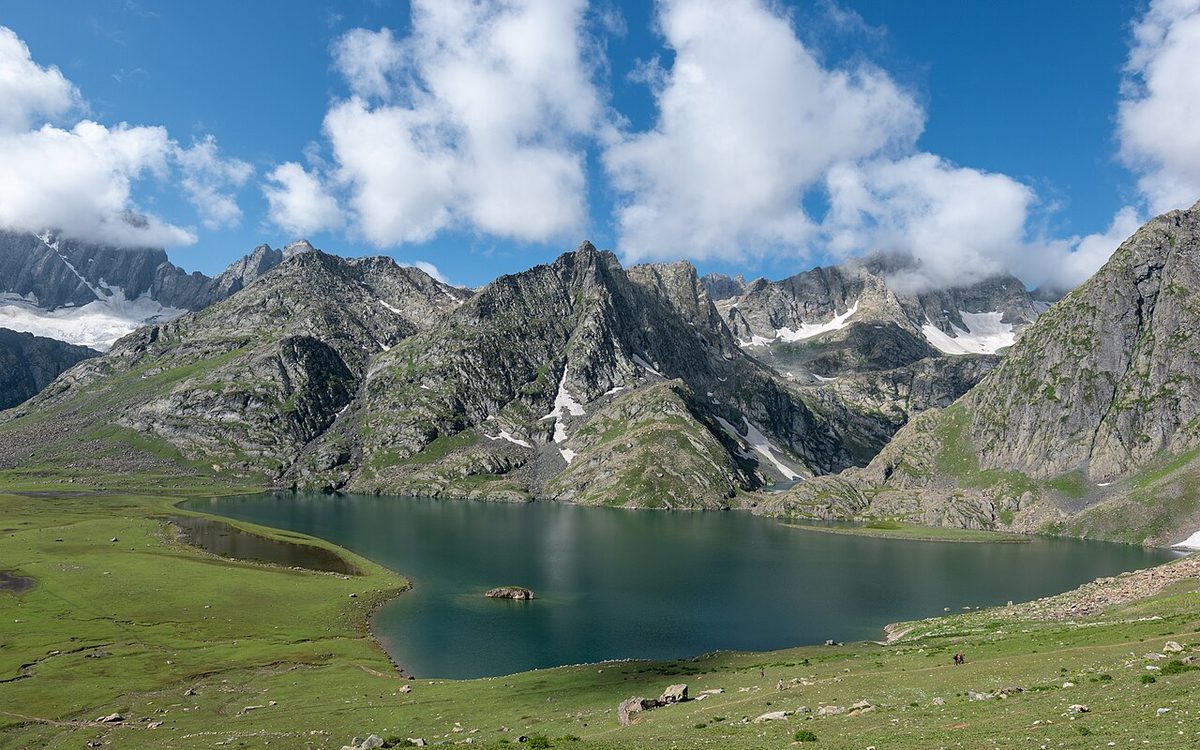
Gurez Valley is the Kashmir that most itineraries never reach, and that is exactly its appeal. Up past Razdan Pass, hard against the Line of Control, it is a slow, wide valley of wooden villages, a loud green river and a pyramid peak that watches over everything. If you want quiet, cold air and a frontier feel, Gurez delivers. It also asks a little more of you in planning, so here is a practical guide to doing it right.
Where Gurez is, and why it is special
Gurez sits in the far north of Kashmir, in the Bandipora district, close to the border. The main settlement is Dawar, strung along the Kishanganga river, with villages like Tulail stretching further up the valley. What makes it special is how little has changed: timber houses, grazing land, a Dard-Shin culture distinct from the valley below, and almost none of the tourist machinery you find in Pahalgam or Gulmarg. You go to Gurez to slow down, not to tick off sights.
For most travellers it is a two or three night add-on, not a day trip, because of the drive. If you are still shortlisting offbeat corners, our roundup of the top places to visit in Kashmir puts Gurez in context against the mainstream spots.
The Razdan Pass drive
The journey is the first half of the experience. From Srinagar you drive to Bandipora, then climb toward Razdan Pass at roughly 3,300 metres before dropping into the Gurez valley on the far side. The whole run is commonly six to seven hours depending on road and weather, so start early and treat the drive as part of the trip rather than a transfer to endure. The pass itself is the dramatic bit: bare high ground, long views, and a real sense of crossing into somewhere separate.
Leave Srinagar at first light. The pass can close with weather or convoy timings, mountain roads are slower than the kilometres suggest, and you want to reach Dawar in daylight your first time.
Permits and documents
Because Gurez is a sensitive border area, the access situation can change, and some stretches or activities may need you to show identification or register at checkpoints. Carry original government photo ID for everyone in your group, keep a few copies, and travel with a driver or operator who knows the current rules. Before you set out, confirm the latest permit and access position locally, since it is the kind of thing that shifts and is not worth guessing on. A good local operator will handle the formalities for you.
Best time to visit
Gurez has a short season. The road over Razdan Pass is typically open from around May or June to October, and snow closes it for the rest of the year. Peak summer, roughly June to September, is the comfortable window, with green slopes, a full river and open guesthouses. Edge months are beautiful but riskier for the pass. Do not plan Gurez in winter or early spring unless you have confirmed the road is open, because for much of the year it simply is not. Our best time to visit Kashmir guide gives the wider seasonal picture.
What to see and do
- Habba Khatoon peak: the pyramid-shaped mountain named after the poet-queen, and the valley's signature view. It changes character with the light through the day.
- Kishanganga river: the loud, clear river that runs the length of the valley. Walk its banks, find a quiet bend, do nothing for an hour.
- Dawar and the villages: wander the main settlement and the wooden hamlets, meet people if they are open to it, and notice how the architecture suits the snow.
- Tulail valley: for those with more time, the drive further up toward Tulail is even quieter and more remote.
There is no cable car, no big market, no nightlife. The valley itself is the attraction, and the pace is the point.
Where to stay
Accommodation in Gurez is basic and limited: guesthouses, a government-run option or two, and some simple homestays and tented camps in season. Do not expect luxury, reliable heating or room service. Expect clean, warm enough, and genuinely hospitable. Book ahead in peak summer because beds are few, and be ready for a simple local menu rather than a multi-cuisine spread. This is a trade most people happily make for the setting.
What to pack
- Warm layers: even summer nights are cold at this altitude.
- Cash: enough for the whole trip, since cards and ATMs are unreliable to absent.
- Power bank and offline maps: connectivity is patchy, so download what you need in advance.
- Basic medicines and essentials: shops are few and stock is limited.
- Sturdy shoes and a rain layer: mountain weather turns without warning.
Connectivity and cash
Treat Gurez as largely off-grid. Mobile signal is weak and inconsistent, data more so, and you should not count on being reachable. Carry enough cash for the entire stay, because digital payments and ATMs cannot be relied on. Tell someone your rough plan before you lose signal. For a lot of visitors the disconnection is part of the reward, but it is better chosen than discovered.
Responsible travel
Gurez is a small, traditional community that sees few outsiders, so travel gently. Ask before photographing people, dress modestly, carry your rubbish out, and buy from local guesthouses and shops so your money stays in the valley. Respect the border sensitivities and any instructions from security personnel without argument. The light footprint you leave is what keeps places like this worth visiting.
Who should go
Gurez suits travellers who want quiet over convenience and are comfortable with basic stays, long drives and spotty signal. It is wonderful for photographers, slow travellers and anyone who has done mainstream Kashmir and wants the valley's wilder edge. It is less suited to those who need comfort, a packed schedule or guaranteed connectivity. If that first description sounds like you, Gurez will likely be the trip you remember most. For the easier classics to pair it with, see our top places to visit in Kashmir.