If you are wondering whether Kashmir is safe for tourists, you are asking the right question, and you deserve an honest answer rather than either a sales pitch or old fears. The short version: the main tourist areas of the valley welcome huge numbers of visitors every year, and most travellers have warm, trouble-free trips. This guide gives you the honest 2026 picture, including solo and women travellers, the real risks to plan for, the scams to watch, and how to be a respectful guest.
The honest short answer
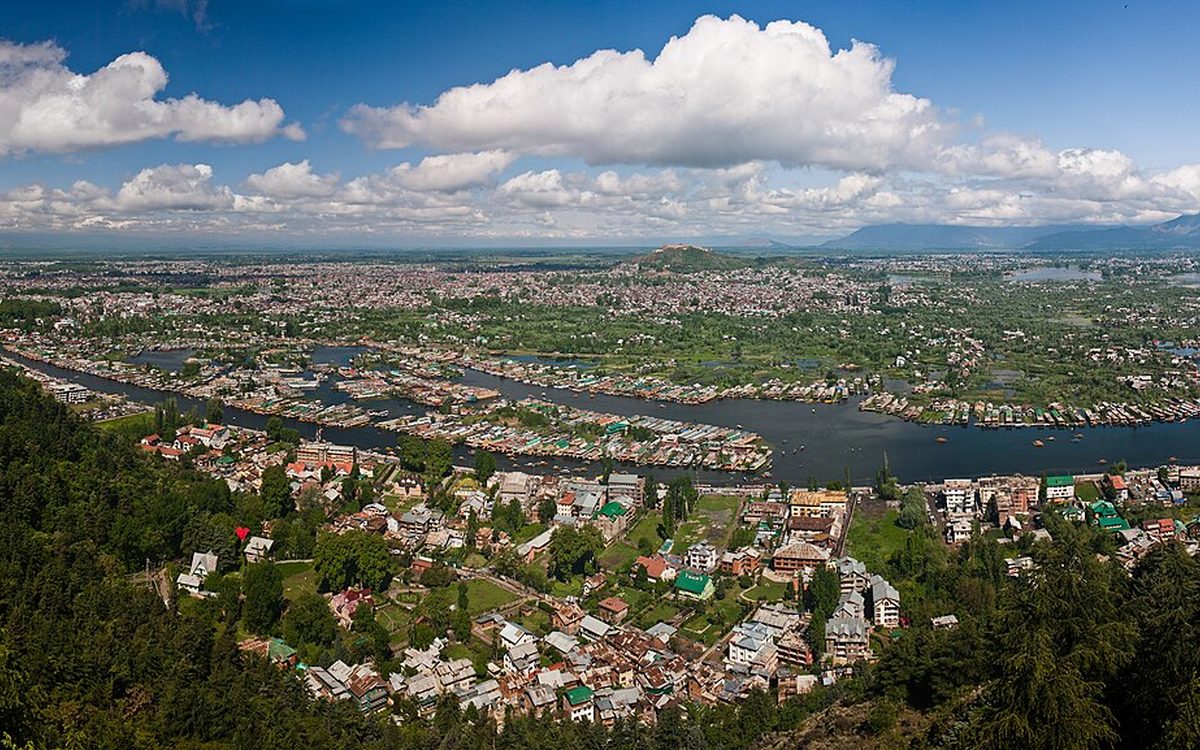
For the places tourists actually go, Srinagar, Gulmarg, Pahalgam, Sonamarg, the gardens, and Dal Lake, travel is generally calm and the hospitality is genuine. Kashmiris depend on tourism and are, as a rule, kind and protective toward guests. Your day-to-day experience is far more likely to involve being offered endless cups of kahwa than anything frightening.
That said, being sensible still matters, the way it does anywhere. Keep an eye on current advisories before you book, stick to the established tourist areas, and travel with a reputable local operator or well-reviewed stays. Do that, and the honest answer is that most people find Kashmir not just safe enough, but one of the friendliest places they have visited.
What tourists actually experience
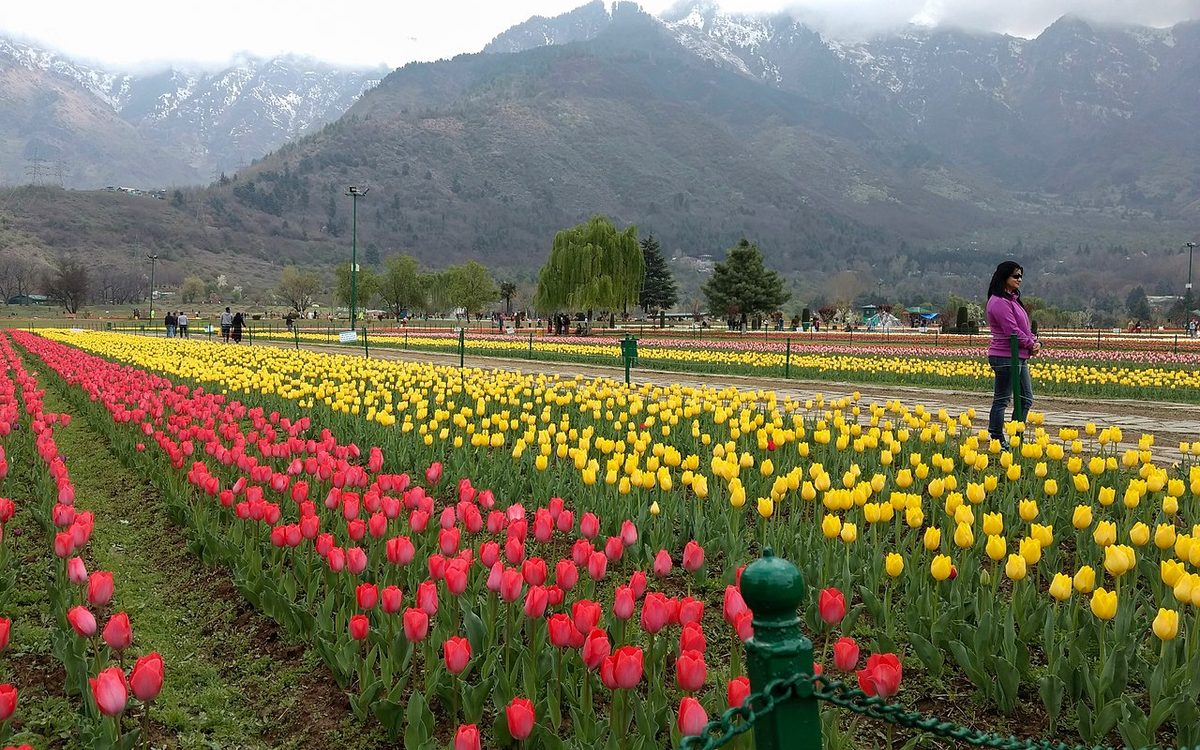
Day to day, your trip looks like gardens, shikara rides, gondola trips, meadow walks, and long meals. The visible security presence in some areas can feel unfamiliar at first, but it is part of the backdrop, not something aimed at tourists. Locals go out of their way to help visitors, shopkeepers are chatty, and families travelling with children are common and comfortable.
The biggest surprises for most first-timers are good ones: how green and gentle the valley is, how good the food is, and how often a stranger insists you share tea. If you have read our guide to Kashmiri cuisine and wazwan, you already know hospitality here is close to a competitive sport.
Solo travellers and women travellers
Kashmir sees plenty of solo travellers, including women, and most report feeling respected and looked after. The culture is conservative and courteous, and overt harassment is uncommon in the tourist areas. Still, the same sensible habits you would use anywhere apply.
- Dress modestly: covered shoulders and knees are comfortable and respectful, and reduce unwanted attention.
- Plan daylight travel: arrive in new towns before dark, and avoid long, remote drives late at night.
- Stay in well-reviewed places: houseboats and hotels with strong recent reviews and responsive hosts are your best base.
- Trust your instincts: if a situation feels off, step out of it. Locals will usually help if you ask.
A practical note for solo travellers: booking even part of your trip through a trusted local operator gives you a phone number that actually answers, a driver who knows the roads, and someone accountable for your stay. That peace of mind is worth a lot more than the small cost.
Common-sense precautions
None of this is Kashmir-specific; it is just good travel sense that keeps any trip smooth.
- Follow local advice: if your host or driver suggests avoiding an area on a given day, listen.
- Keep copies: carry your ID, and keep digital copies of bookings and documents.
- Stay reachable: share your itinerary with someone back home and check in.
- Mind the money: carry some cash, since cards and signal can be patchy in remote spots.
Scams and overcharging to watch for
The most common problems tourists meet are not about safety at all, they are about money. A little awareness handles nearly all of it.
- Inflated shikara and taxi quotes: check the posted government rates and agree the price before you board or ride.
- Pushy handicraft selling: some shops and commission agents pressure hard. It is fine to say no, walk away, and buy only what you want.
- Saffron and pashmina fakes: buy from reputable sellers, ask for a bill, and be sceptical of prices that seem too good.
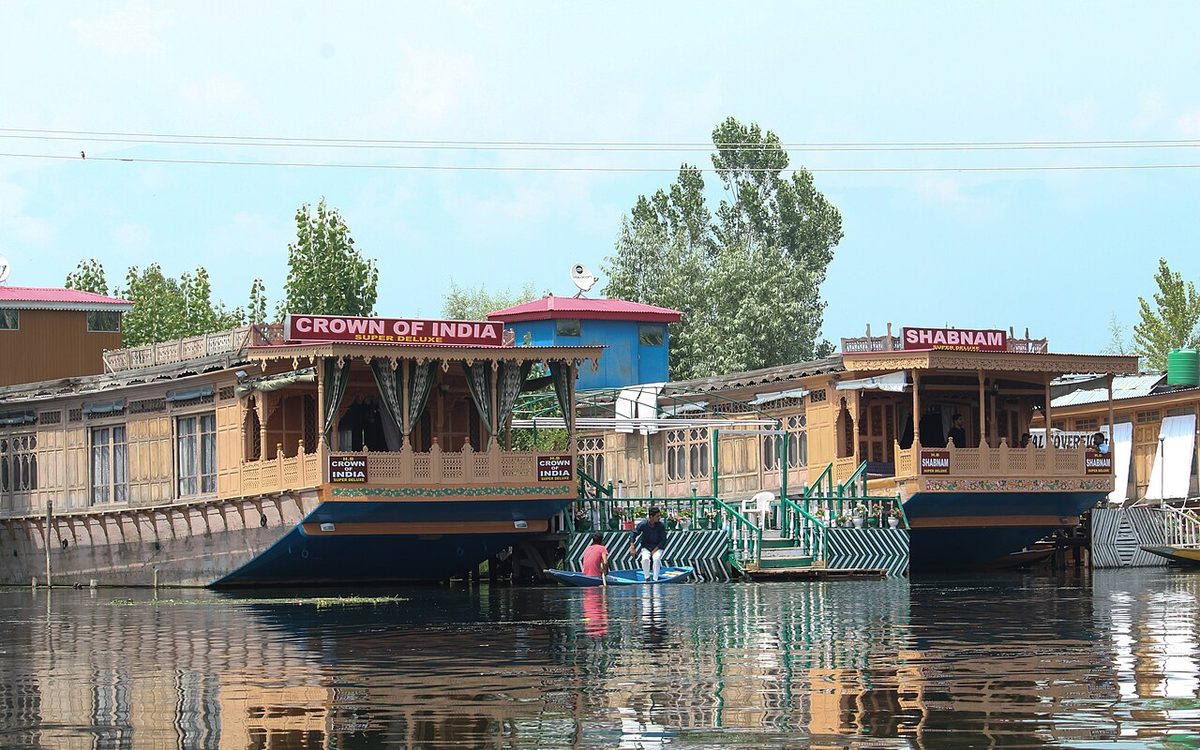
- Houseboat bait-and-switch: confirm the exact houseboat, location, and inclusions in writing, with recent photos, before you pay.
Booking your transport, stays, and sightseeing through one accountable operator removes most of these friction points, because the price is fixed and someone is responsible if something is off.
The real risks: weather and roads
Here is the honest part most listicles skip. In Kashmir, the genuine risks to your trip are usually about weather and mountain roads, not anything dramatic. Winter snow can close the high roads and delay flights. The monsoon can trigger landslides on the highways. High-altitude spots can turn cold and slippery fast.
Plan for that, and you are fine. Keep a buffer day in any tight itinerary, check the forecast and road status as you travel, wear proper footwear in snow and on treks, and do not push a mountain drive in bad weather just to keep a schedule. Our guide to the best time to visit Kashmir helps you pick months with smoother conditions.
Respecting local customs
Being a thoughtful guest makes you safer and more welcome. Kashmir is a conservative, largely Muslim society with deep traditions of hospitality.
- Dress modestly, especially at shrines and in villages.
- Ask before photographing people, particularly women and at religious sites.
- Be mindful during prayer times and at mosques and shrines.
- Accept hospitality graciously: saying yes to tea is a lovely way to connect.
Staying connected, and booking local
Postpaid Indian SIMs tend to work more reliably in the valley than prepaid ones, and signal can drop in remote areas, so download offline maps in advance. International visitors should sort a local SIM where possible and keep a power bank handy.
On the big choice of doing it yourself versus booking through a local agency: independent travel is absolutely possible, and many enjoy it. But a trusted local operator earns its keep here more than in most places, handling permits, fixing fair prices, knowing which road is open today, and being reachable if plans change. For first-timers, solo travellers, and anyone short on time, that support turns a slightly uncertain trip into a smooth one. If you want to understand your arrival options either way, see our guide on how to reach Kashmir.
The bottom line
Is Kashmir safe for tourists in 2026? For the places people actually visit, yes, with the ordinary good sense you would use on any trip. Check current advisories, stick to the tourist areas, respect local customs, watch for overcharging rather than danger, and plan around the weather. Do that, and the valley tends to surprise nervous first-timers with how warm and easy it feels. To start shaping a safe, well-paced trip, read up on how to reach Kashmir and build from there.