Seven days is what most people settle on for a first trip to Kashmir, and the reason is simple. You get the lake, the meadows, the pine valleys and one proper day in the high mountains without feeling rushed. This Kashmir 7 day itinerary is built out day by day, with real stops, honest drive times and budget notes you can actually plan around. Treat it as a skeleton and hang your own pace on it.
Why seven days is the sweet spot
Kashmir reads small on a map and drives large on the ground. Roads here are mountain roads, so a 50-kilometre hop can swallow two hours once you hit the market crawl at Tangmarg or a slow patch past Anantnag. Five days pushes you to drop something you would miss. Ten starts to repeat itself unless you go hunting for the offbeat valleys. Seven lands in between: one steady base in Srinagar, two mountain towns and a day trip, with enough slack for a rained-out morning to not wreck the whole plan.
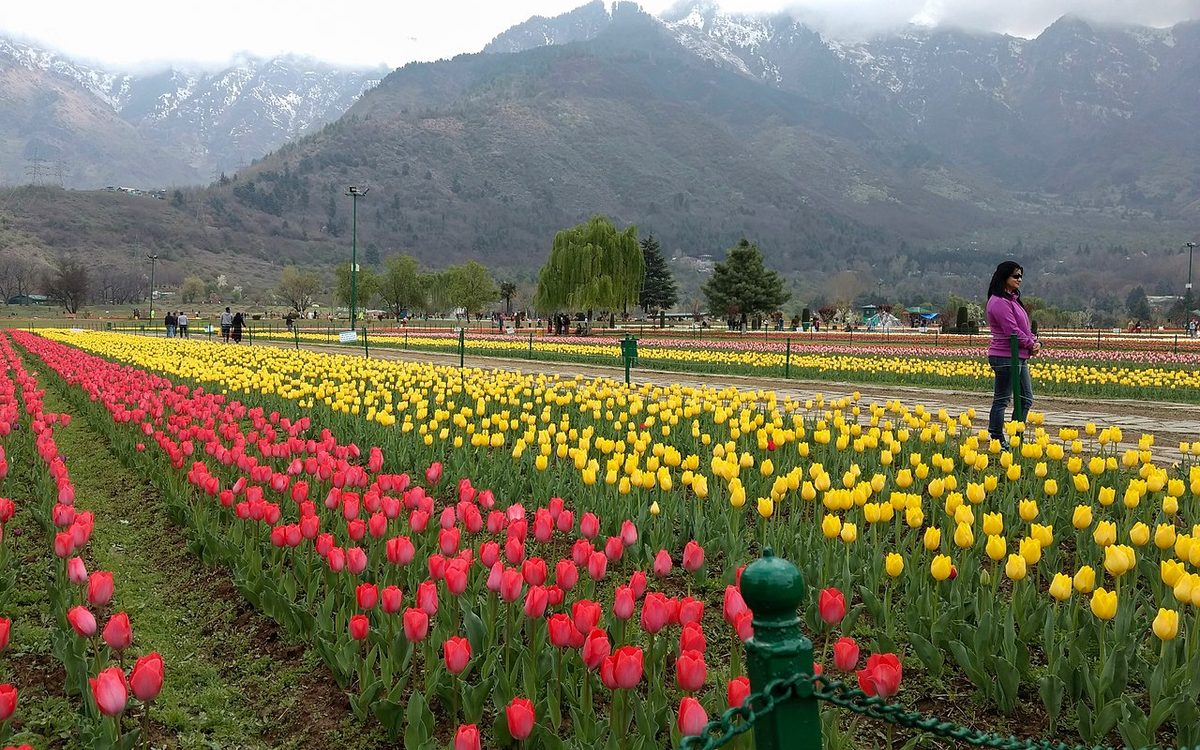
Before you book flights, settle on a month. The same route in April tulip season feels nothing like it does under January snow. Our guide to the best time to visit Kashmir walks through each season so you land on the one you actually came for.
Days 1 and 2: Srinagar at its own pace
Day 1: Arrive and ease into Dal Lake
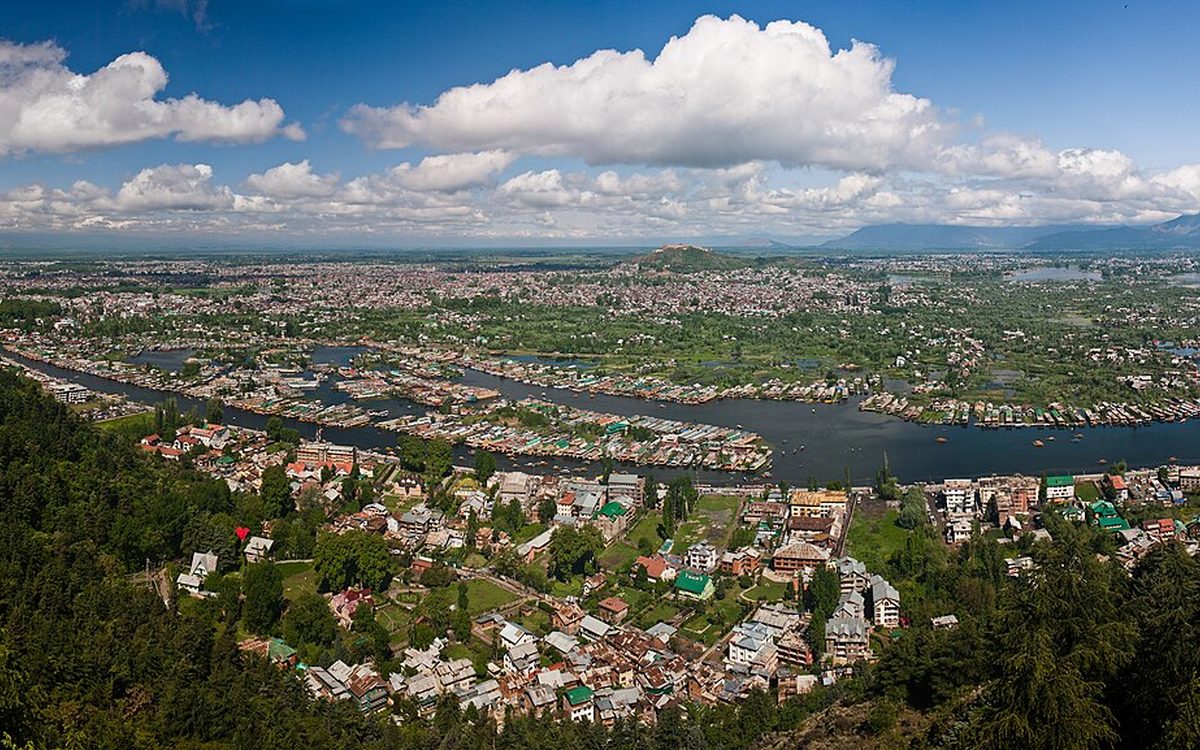
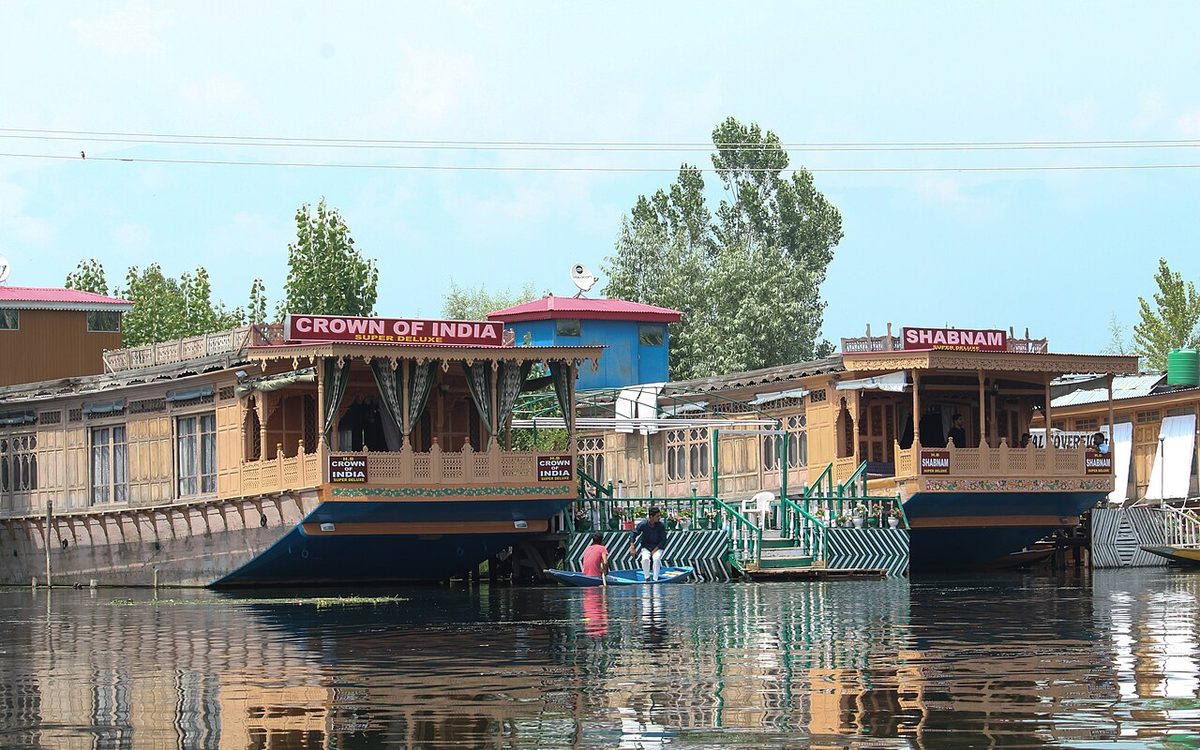
Fly in and keep the first day light. Srinagar airport sits about 15 kilometres from the city, and the transfer to Boulevard Road or a Dal Lake houseboat runs 30 to 45 minutes depending on security checks. Drop your bags, eat a slow lunch, then give the afternoon to the lake. A sunset shikara ride is the classic opener and it earns its reputation. Official shikara rates sit around ₹600 to ₹800 an hour per boat as of 2026, but confirm at the ghat, because rates move with season and demand.
If you have booked a houseboat, this is the night to enjoy it: dinner on the deck, the water going still, lights coming up along the shore. Don't plan anything after.
Day 2: Gardens, the old city and Shankaracharya
Give the morning to the Mughal gardens. Nishat and Shalimar are the two most people see, with Chashme Shahi a smaller third. Entry is modest, roughly ₹24 to ₹65 per person, so confirm at the gate. In the afternoon, swing through the old city for the wooden mosques and the shawl and papier-mache workshops, then climb to Shankaracharya temple for a wide view over the whole bowl of the valley before sunset. It is a short, steep road; go before the light drops.
Day 3: Gulmarg and the Gondola
Gulmarg is about 50 kilometres from Srinagar and the drive takes roughly two hours, with a vehicle change for the last stretch above Tangmarg in heavy snow months. The headline here is the Gondola cable car. Phase 1 climbs to Kongdori and Phase 2 continues toward Apharwat, where the snow lingers well into summer. As of 2026 you should budget somewhere around ₹800 to ₹1,100 per person per phase, but ticketing and prices change often, so check the current rate and book early in peak season when slots sell out by mid-morning.
Keep the rest of the day gentle: a walk across the meadow, a pony ride if the kids want one, tea somewhere warm. If you love the mountains, our fuller Gulmarg travel guide covers the Gondola, the walks and when to go in more detail. Most people return to Srinagar for the night, though staying up in Gulmarg saves you the double drive if your budget allows.
Day 4: Over to Pahalgam
This is your scenic transfer day. Pahalgam is about 90 kilometres from Srinagar, and with stops the drive is a comfortable three to four hours. Break it up along the way: the ruins at Awantipora, saffron fields near Pampore in autumn, and roadside tea wherever it looks good. Reach Pahalgam by afternoon, settle in, and walk the Lidder riverbank as the light softens. The river sound alone is worth the trip.
Pahalgam rewards a slower hand. If you want the full picture of what the town and its valleys offer, our Pahalgam travel guide is a good companion to this day.
Day 5: Pahalgam's valleys, or a slow day
Pahalgam has three side valleys that most visitors do by local taxi union cab: Aru, Betab and Chandanwari. The union runs a fixed-rate circuit from the town, commonly in the ₹2,000 to ₹3,000 range for the three as of 2026, so confirm the current tariff at the stand. Betab Valley is the easy, photogenic one. Aru is quieter and the gateway to longer treks. Chandanwari, higher up, is the start of the Amarnath trail and holds snow late.
If one of your party tires easily, do Betab and Aru properly and skip the long haul to Chandanwari. Two valleys done calmly beats three done in a rush, and nobody remembers the car they sat in for an extra hour.
Prefer to do nothing? Pahalgam is one of the few Kashmir towns where a lazy day works: a book by the river, a short pony ride up to Baisaran meadow, an early dinner. There is no rule that says every day has to be packed.
Day 6: Sonamarg and Thajiwas glacier
Sonamarg makes a long but worthwhile day trip, roughly 80 kilometres from Srinagar and two and a half to three hours each way. The meadow itself is the draw, and from there you can take a pony or walk partway toward Thajiwas glacier. Start early. The road gets busy, the weather turns by afternoon, and you want the glacier side before the clouds roll in. Carry layers even in summer; it is colder up there than the city.
Pony rates toward Thajiwas are negotiated locally and vary with the season and how far you go, often a few hundred to a couple of thousand rupees per person, so agree the price and the turnaround point before you mount. Back in Srinagar by evening, tired in the good way.
Day 7: Last morning and shopping
Keep the final day flexible around your flight. If you have the morning, this is the time for the things you have been eyeing: a Pashmina shawl, walnut-wood carving, saffron, dried fruit, a Kashmiri carpet if you are serious about it. Buy from established shops, ask for a proper bill, and do not feel pressured into a carpet you had not planned to buy. Then it is back to the airport, ideally two hours before departure given the layered security.
How to trim this to five days
Short on time? The route compresses cleanly:
- Keep Srinagar to two days (lake plus gardens and old city).
- Do Gulmarg as a day trip.
- Do Pahalgam as one night with the valleys, or a long day trip if you must.
- Drop Sonamarg, or swap it in for Pahalgam if meadows and snow matter more to you than pine valleys.
The thing you should not cut is a buffer. Weather and roads do what they want here, and a trip with no slack is a trip that falls over on the first grey morning.
What a seven-day trip roughly costs
Costs swing with season and comfort level, so treat these 2026 figures as rough and confirm locally. A private cab for the full week, covering the Gulmarg, Pahalgam and Sonamarg running, commonly lands in the ₹18,000 to ₹30,000 range depending on vehicle and route. Mid-range stays run roughly ₹2,500 to ₹6,000 a night, with houseboats and premium hotels above that. Add the Gondola, shikara, valley cabs and ponies, plus meals at ₹300 to ₹600 a head at decent restaurants, and a comfortable mid-range week for two often sits in a wide band once flights are in. Peak season and festival dates push everything up.
The bottom line
Seven days gives Kashmir room to breathe: the lake on day one, the mountains in the middle, and a quiet last morning to shop and slow down. Build in a buffer, book the Gondola early, and let the river days stay lazy. If you would rather see how operators structure and price a route like this end to end, our walkthrough on how to build Kashmir tour packages breaks it down stop by stop.