Getting to Kashmir is easier than most first-timers expect, and you have three good ways in: fly straight to Srinagar, take the train to the Jammu region and drive up, or do the whole scenic road trip by car. Each suits a different budget, timeframe, and appetite for mountain roads. This guide on how to reach Kashmir in 2026 lays out all three honestly, with the trade-offs, so you pick the one that fits your trip.
The three ways in, at a glance
Before the detail, here is the short version so you can picture your options:
- By air: fastest and simplest. Fly into Srinagar and you are on Dal Lake within the hour.
- By train plus road: cheaper, scenic, and a good middle path. Train to the Jammu side, then drive the rest.
- By road all the way: the most scenic and the most demanding, on the famous NH44 through the mountains.
Flying to Srinagar
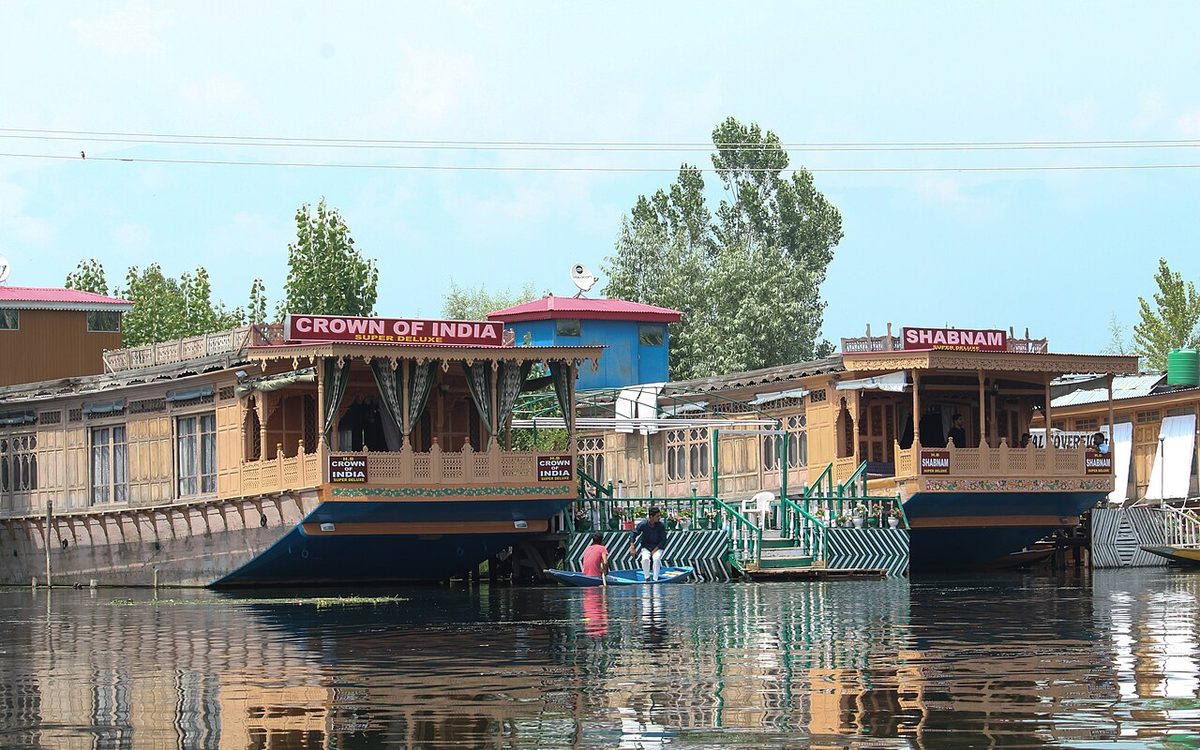
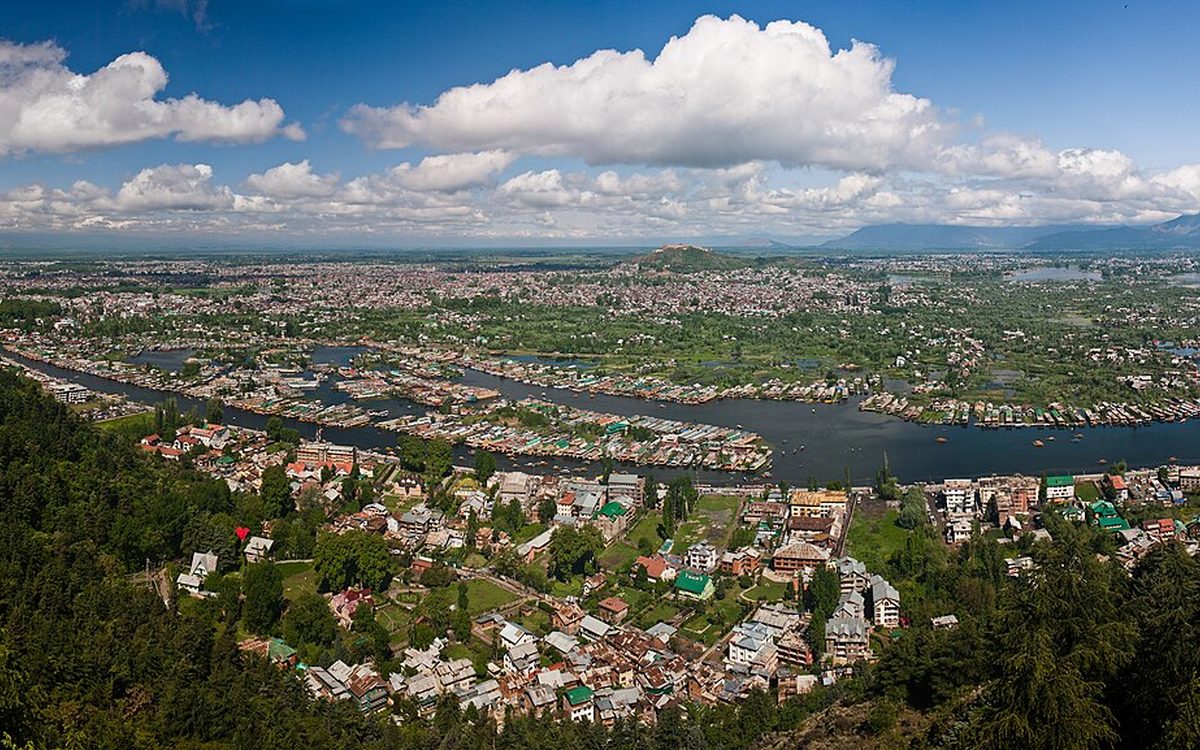
For most travellers, flying is the obvious choice. Srinagar airport connects to major Indian cities, directly or with one stop, and it drops you right in the valley. From the airport, Dal Lake and the Boulevard Road hotels are a short drive, so you can land in the morning and be on a shikara by afternoon.
- Best fares: book two to three months ahead for peak season (summer and the tulip window), when prices climb. Midweek flights are usually cheaper than weekends.
- Airport tips: Srinagar is a sensitive airport, so arrive early, carry a printed ticket and photo ID, and expect thorough security. Bags are checked carefully, which is normal here.
- Onward transfer: prepaid taxis and hotel pickups wait outside. Fix the fare or arrange the pickup in advance, since app cabs are limited.
Flying also protects your schedule. Mountain roads can close in bad weather, and a flight sidesteps that risk, which matters if your days are tight.
By train to Jammu or Banihal, then road
If you enjoy rail travel or want to save money, the train is a fine way to cover the long-distance leg. Trains from across India run to the Jammu area, and the network has been extending further toward the valley through Banihal, so check the current routes and the newest stations when you book, since rail access here keeps improving.
From the railhead you continue by road into the valley. This splits the journey into a comfortable rail leg and a shorter, scenic drive, which many travellers prefer to a very long single car journey.
- Good for: budget travellers, rail lovers, and anyone who wants to see the landscape change as they climb.
- Plan for: a connection and a transfer, so build in buffer time, especially in winter when the road can slow down.
The NH44 road and the scenic drive
The all-road option follows National Highway 44 up through the mountains, over the passes, and down into the valley. It is a genuinely beautiful drive, with tunnels, river gorges, and the moment the landscape opens into Kashmir that road-trippers remember for years.
It is also the most demanding way in. The drive takes many hours, the road winds through high terrain, and weather or landslides can cause delays or temporary closures, particularly in winter and the monsoon. If you are prone to motion sickness or short on time, this is not the easy option. If you love a road trip and have days to spare, it can be the highlight of the trip rather than just the way in.
One honest caveat: never plan a tight, same-day connection off the NH44. Mountain roads here run on the weather's schedule, not yours, so keep a spare day in reserve if you drive in.
Which option should you pick?
Match the route to what you care about most.
- Short on time, want it simple: fly to Srinagar. It is the stress-free choice and frees your days for the valley itself.
- Watching the budget, enjoy the journey: take the train toward the Jammu side, then drive up.
- Here for the adventure: do the full NH44 road trip, with a buffer day built in.
Many travellers fly in and road-trip out, or the reverse, to get both the convenience and the scenery. If you are still shaping the overall plan, our Kashmir 5-day itinerary shows how arrival day fits into a full trip, whichever way you come.
Getting around once you are there
Inside the valley, private cabs run the show. App-based ride services are limited, and most sightseeing, like Gulmarg, Sonamarg, and Pahalgam, is done by hiring a car with a driver for the day or the trip.
- Union rates: many routes have fixed local taxi-union rates, so ask your hotel or operator for the going rate before you negotiate.
- Full-trip hire: hiring one car and driver for your whole stay is usually smoother and better value than booking separate cabs each day.
- Shared sumos: for budget travel between towns, shared vehicles run set routes, though they are less comfortable and leave when full.
Weather and road-closure caveats
The mountains decide the timetable here. In winter, heavy snow can briefly close the high road and even disrupt flights for a day. In the monsoon, landslides can slow the NH44. None of this should scare you off, it is simply part of travelling in a high valley, but it does mean two habits pay off: build a buffer day into any tight plan, and keep an eye on the forecast and road status as you travel. Our guide to the best time to visit Kashmir covers which months are smoothest for getting in and around.
Your first-day logistics
However you arrive, a little planning makes day one calm. Arrange your airport or railhead pickup before you travel, keep your ID and booking copies handy, carry some cash since card and signal coverage can be patchy in transit, and do not over-schedule the arrival day. Give yourself the afternoon to settle in, take a gentle shikara ride, and let the valley welcome you slowly.
The bottom line
How you reach Kashmir comes down to time, budget, and how much you love a mountain road. Fly for ease, take the train to save money with scenery, or drive the NH44 for the adventure, and give the weather some respect with a buffer day. Once you have chosen your way in, slot it into a proper plan with our Kashmir 5-day itinerary and start counting down the days.