Ask people who know the valley well which season they love most, and a surprising number say autumn. For a few weeks each year the chinar trees turn from green to amber to deep crimson, the air goes crisp and clear, the summer crowds thin out, and the whole valley glows. If you want Kashmir in autumn, this guide covers the chinar colour timeline, the weather by month, where to catch the best light, and why it may be the most underrated season of all.
Why autumn is special
Autumn, roughly mid-September to November, is Kashmir's quiet showpiece. The defining sight is the chinar, the great spreading tree that lines gardens, avenues, and village greens across the valley. As the weather cools, its leaves move through gold, orange, and red, and ordinary streets and gardens become walk-through paintings.
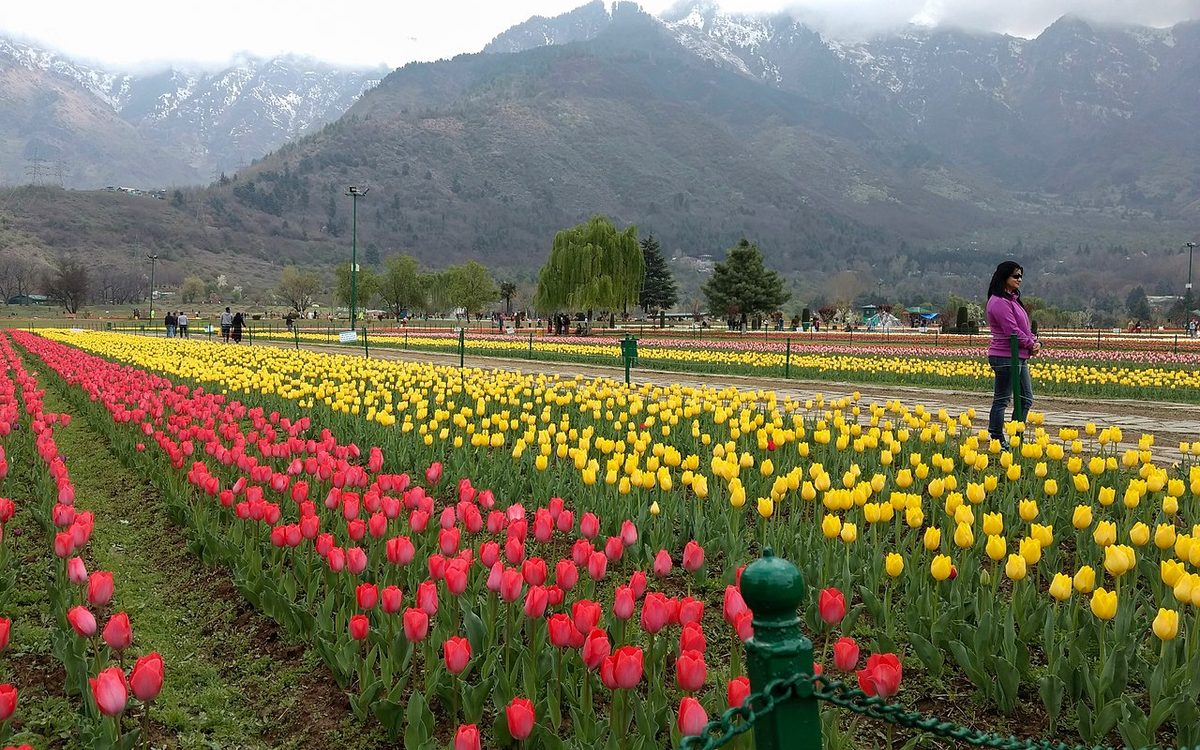
Beyond the colour, autumn brings clear mountain views, comfortable days, and a slower pace than the summer rush. It is harvest time too, so the valley smells of apples and woodsmoke. For travellers who find peak season too busy, this is the sweet spot. If you have seen our guide to Kashmir in spring, think of autumn as its warm-toned twin: just as beautiful, with far fewer people.
The chinar colour timeline
The turn does not happen all at once, so timing helps.
- Mid-to-late September: the first hints, with green giving way at the edges and the air sharpening.
- Mid-October to early November: peak chinar colour in most years, with deep gold and red across the gardens. This is the window to aim for.
- Mid-November onward: leaves falling, bare branches arriving, and the first cold pushing toward winter.
Nature keeps its own calendar, so the exact peak shifts a week or two year to year with the weather. Aim for the second half of October for the best odds, and treat these as general guides for 2026 rather than fixed dates.
Weather and temperatures
Autumn weather is some of the most pleasant of the year, but it cools steadily as the season goes on.
- Early autumn (September): mild days, cool evenings, light layers by day and a jacket after dark.
- Mid autumn (October): crisp, bright days and genuinely cold nights. A warm jacket earns its place.
- Late autumn (November): cold, moving toward winter, with frosty mornings and the chance of early snow up high.
Rain is less frequent than in spring, and the skies are often clear, which is part of why the colours and the mountain views look so sharp.
Crowds and pricing versus peak
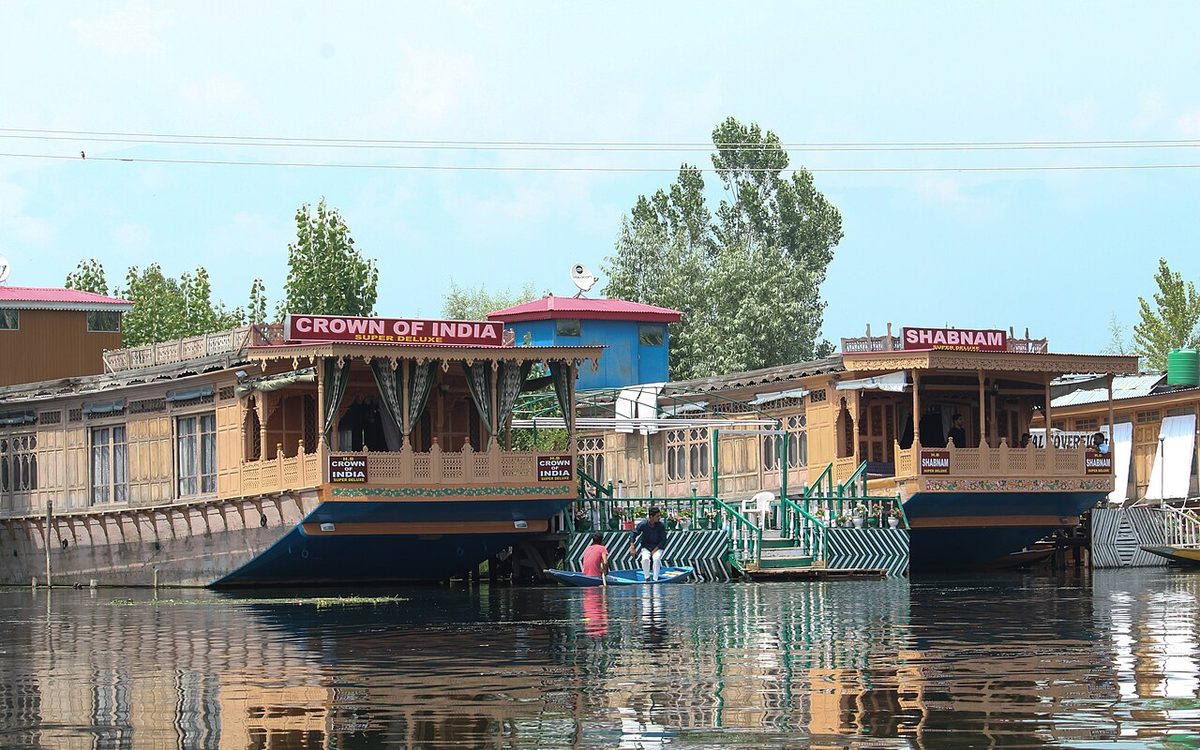
Here is one of autumn's quiet advantages. The big summer and tulip-season rushes are over, so the gardens are calmer, the houseboats are easier to book, and you can often find better value on stays and transport than in the peak months. You get the glow without the queues.
Prices and availability still vary, especially around holidays and long weekends, so book ahead if your dates are fixed. But as a rule, autumn gives you more room to breathe and, often, more for your money.
A local tip: the chinar light is at its best in the first hour after sunrise and the last hour before sunset, when the leaves seem to light up from inside. Plan your garden visits around those windows, not the flat light of midday.
Where to see the best colour
The chinar is everywhere in autumn, but a few places concentrate the magic.
- Naseem Bagh, Srinagar: an old grove of hundreds of chinars, famous among locals for autumn colour.
- The Mughal gardens: Nishat and Shalimar, where ordered avenues of chinar turn gold against the lake and hills.
- Pahalgam and its valleys: the tree line and riversides take on autumn tones, with cool, clear days for walks.
- Village lanes and orchards: some of the best scenes are unplanned, in ordinary villages where a single huge chinar stands over a green.
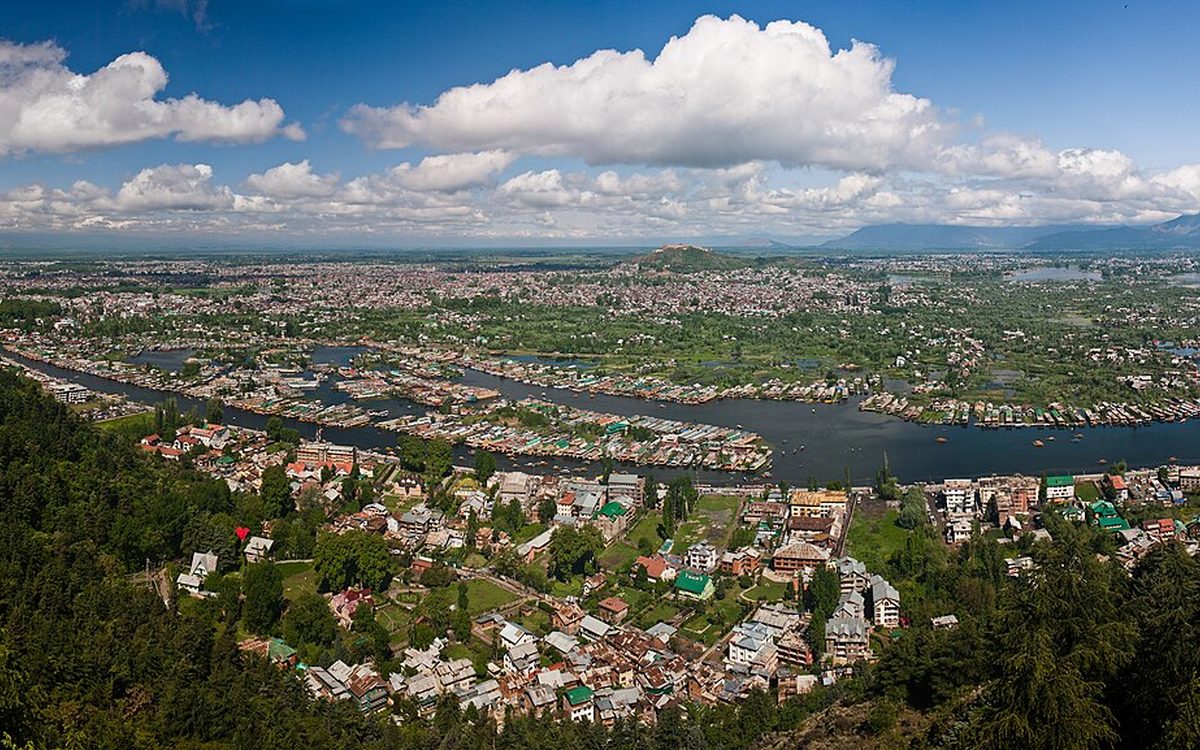
Dal Lake itself is lovely in autumn too, with the softer light and the gardens reflected on calm water. A dawn shikara ride in October is quietly one of the best things you can do in the valley.
Harvest season: apples, saffron and walnuts
Autumn is when the valley gathers its famous produce, and travelling through it is a treat for the senses.
- Apples: the orchards are heavy with fruit, and roadside stalls sell crates of fresh Kashmiri apples straight off the trees.
- Walnuts: another autumn harvest, sold fresh and used through the local cooking.
- Saffron: late autumn, usually late October into November, is saffron-flowering time in the fields around Pampore, a genuinely special sight.
Autumn food is hearty and warming, which pairs perfectly with the season. For the flavours to seek out, our guide to Kashmiri cuisine and wazwan is the place to start.
What to pack for autumn
Pack for warm days and cold nights, and expect it to get colder as the season advances.
- Layers: light clothes for the day, a fleece and a warm jacket for the evening, heavier gear in November.
- Footwear: closed, comfortable shoes for garden walks and damp, dewy mornings.
- Extras: sunglasses and sunscreen for the bright days, a hat and gloves for late-autumn mornings.
Combining autumn with the saffron fields
If your dates fall in late October or November, build in a short trip to the saffron fields around Pampore, just outside Srinagar. For a brief window the fields bloom purple, growers pick the delicate flowers by hand, and you can watch one of the world's most prized spices being harvested. Pair it with an autumn garden morning and a lakeside evening, and you have a day that captures the whole mood of the season.
The bottom line
Kashmir in autumn gives you the chinar glow, clear mountain air, thinner crowds, and the smell of the harvest, often at better value than peak season. Aim for the second half of October, pack for cold nights, and chase the golden hour in the gardens. To line your dates up with the colour and the weather, read our guide to the best time to visit Kashmir and plan your golden week.