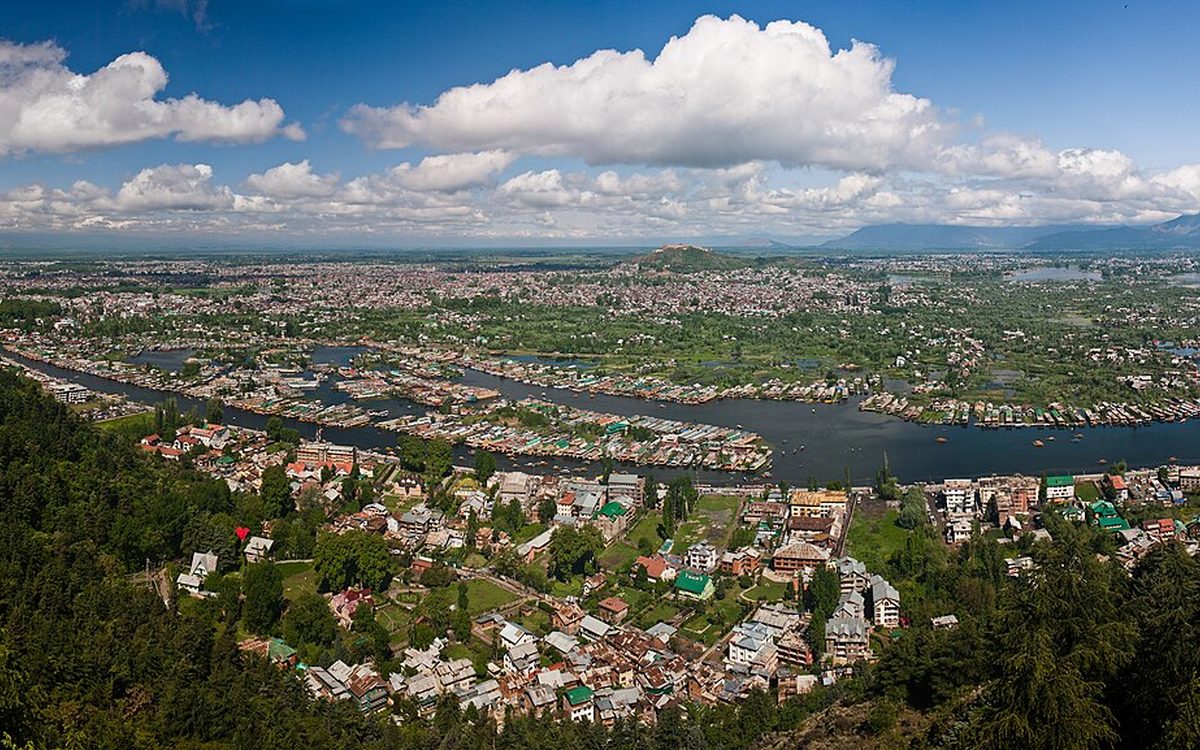
A shikara ride on Dal Lake is the moment most people picture when they imagine Kashmir: a long wooden boat with a canopy, gliding past houseboats and floating gardens while the mountains sit on the water. It is gentle, affordable, and worth doing more than once. This short guide tells you what to expect, the going rates, the best time to go out, what you will see, and how to avoid being overcharged.
What a shikara ride actually is
A shikara is a hand-paddled wooden boat, cushioned and canopied, rowed by a boatman standing at the back with a single heart-shaped oar. You sit low to the water as he takes you out across Dal Lake, weaving between houseboats, lotus beds, and the little floating markets. It is slow by design. The whole point is to drift, look, and let the pace of the lake slow you down.
Rides are usually sold by the hour. An hour is enough for a first taste; two hours lets you reach the quieter corners and the gardens without rushing.
Rates, and what you may be quoted
There are official government rates for shikara hire, usually displayed on boards near the ghats, and then there is what a boatman might quote a first-time visitor on a busy evening. The two are not always the same, so knowing the official rate is your best protection.
- Check the board: the government rate per hour is posted at several ghats along Boulevard Road. Read it before you negotiate.
- Agree before you board: fix the price and the duration clearly, in numbers, before you step in, not halfway across the lake.
- Peak pricing: sunset and high season push quotes up. As a rough 2026 guide, an hour often runs in the few-hundred-rupee range per boat, but confirm the current posted rate locally, since it changes.
The simplest way to avoid an awkward moment: settle the full price and the exact duration on the ghat, out loud, before you sit down. A friendly, clear agreement up front keeps the ride itself relaxed.
The best time of day to go
You can ride any time, but two windows are special.
- Sunrise: the lake is still and quiet, the light is soft, and if you go early enough you can catch the floating vegetable market. This is the photographer's hour.
- Golden hour before sunset: the mountains turn warm, the houseboats light up, and the whole lake glows. This is the most popular ride, and the most romantic.
Midday rides are fine and cooler in the shade of the canopy, but the light is flat and the lake busier. If you can, go out twice: once at dawn for the calm, once at dusk for the colour.
What you will see on the route
A typical ride takes you through a surprising little world floating on the water.
- Floating gardens: beds of vegetables and flowers grown on the lake itself, tended from boats.
- Char Chinar: a small island with old chinar trees, a classic stop and photo spot.
- Floating shops and markets: boats selling flowers, saffron, jewellery, Kashmiri tea, and handicrafts, which will paddle right up to you.
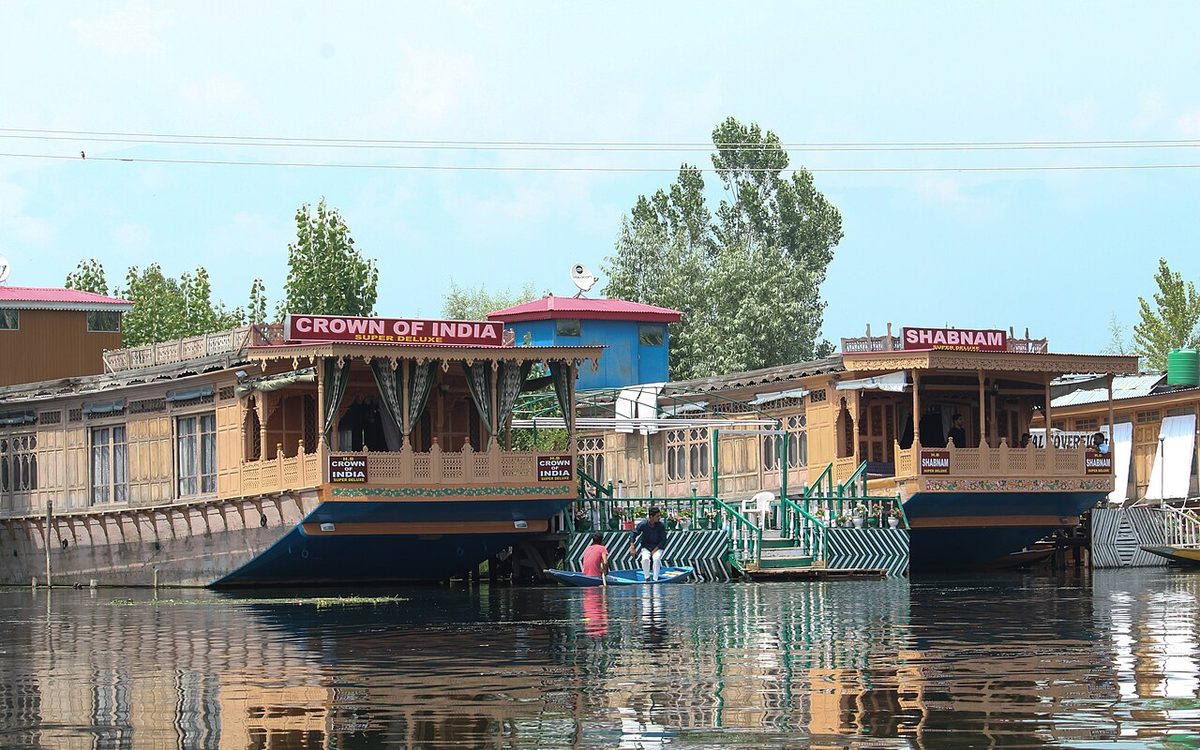
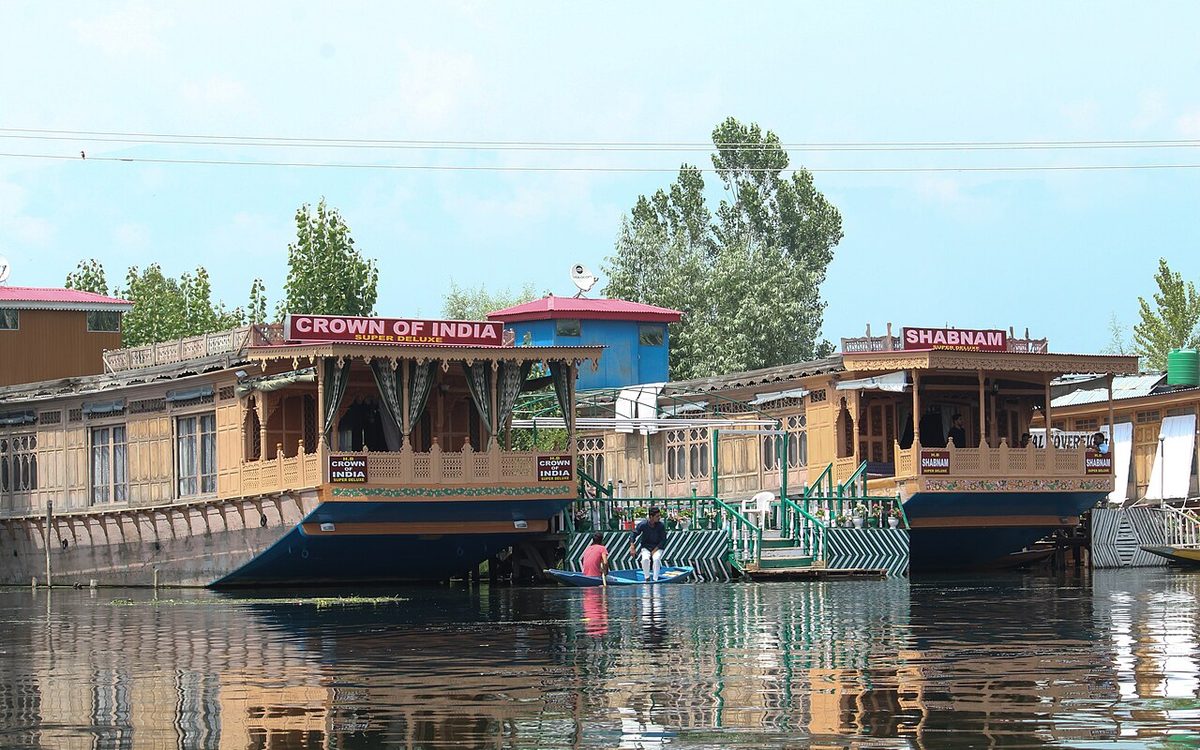
- Houseboat rows: the carved wooden houseboats that give Dal its character, best seen from the water.
Expect gentle selling from the floating vendors. A polite no is fine, and if something catches your eye, a little friendly bargaining is part of the fun. If you want to understand the houseboats you are paddling past, our guide to the Srinagar houseboat experience is a good companion read.
Nigeen Lake, the quieter option
If the main Dal feels too busy, ask to ride on Nigeen Lake instead. Connected to Dal but set apart, Nigeen is cleaner, calmer, and far less crowded, with its own houseboats and a more peaceful feel. For travellers who want the shikara magic without the commercial bustle of the main ghats, Nigeen is the local tip worth taking.
Staying on a houseboat
To go deeper than a ride, spend a night on a houseboat. You get the carved woodwork, the lake at your doorstep, and tea brought to your deck as the sun comes up. Standards range widely, from simple to genuinely plush, so look at recent photos and reviews before you book, and confirm exactly which lake and location the houseboat sits on. A night afloat turns the shikara from an activity into the rhythm of your stay.
The sunrise floating vegetable market
One experience rewards the early alarm: the floating vegetable market, where growers gather their boats before dawn to trade produce on the water. It happens very early and winds down soon after sunrise, so you need to be out on the lake in the dark to catch it. Arrange it with your boatman the evening before, agree the early start, and bring a warm layer. It is one of the most memorable things you can do on Dal, and most visitors sleep right through it.
Tipping, etiquette and quick tips
- Tipping: not compulsory, but a small tip for a good, unhurried ride is kind and appreciated.
- Buying on the water: only buy what you genuinely want, and check saffron and pashmina carefully, since quality varies.
- Comfort: bring sunglasses, a hat, and sunscreen for day rides, and a warm layer for dawn and dusk.
- Safety: the ride is calm and safe, but keep phones and cameras secured over the water.
- Photos: ask before photographing vendors and locals up close. Most are happy, and the courtesy is noticed.
The bottom line
A shikara ride is small, simple, and one of the warmest memories you will carry out of Kashmir. Check the posted rate, agree the price before you board, go at sunrise or golden hour, and consider a quieter ride on Nigeen. Do it slowly, and do it twice if you can. When you are ready to plan the rest of your Srinagar days around the lake, see our roundup of the top places to visit in Kashmir.