The Amarnath Yatra is one of the most demanding and moving pilgrimages in the Himalayas. You climb to a cave shrine at around 3,880 metres to see the ice lingam that forms there each summer. The journey is as much about preparation as devotion, because the high altitude, the cold, and the long walk ask real things of your body. This practical guide covers registration, the two routes, the fitness you need, the health certificate, and how to plan the trip without stress.
What the yatra is, and when it runs
Pilgrims walk to the Amarnath cave in the mountains above Pahalgam and Baltal to worship the naturally forming ice lingam. The yatra runs for a set period each summer, usually across July and August, with exact dates announced each year by the shrine board. The season closes around the festival of Raksha Bandhan. Because the window and the daily quotas change annually, always confirm the current year's dates and rules before you plan anything else.
Weather is the reason the season is short. Even in high summer, the upper route sees rain, sleet, and bitter night cold. This is a mountain pilgrimage first and a walk second, and planning it that way keeps you safe.
Registration and the health certificate
You cannot simply turn up and walk. Registration is compulsory and is handled through the official shrine board, either online or through designated bank branches, well before the season. You will need to register for a specific route and date.
The part people most often get wrong is the Compulsory Health Certificate. You must get a medical check from an authorised doctor on the approved list, dated within the window the board specifies for that year, and carry the certificate with you. Without a valid certificate, you can be turned back at the access points, however fit you feel.
- Register early: daily numbers are capped, and popular dates fill fast.
- Carry originals: your registration slip, photo ID, and the health certificate, plus a few copies.
- Check the doctor list: only certificates from authorised doctors are accepted, so do not use your regular clinic unless it is on the list.
The two routes: Pahalgam and Baltal
There are two ways up to the cave, and choosing the right one shapes your whole experience.
The Pahalgam route (the traditional one)
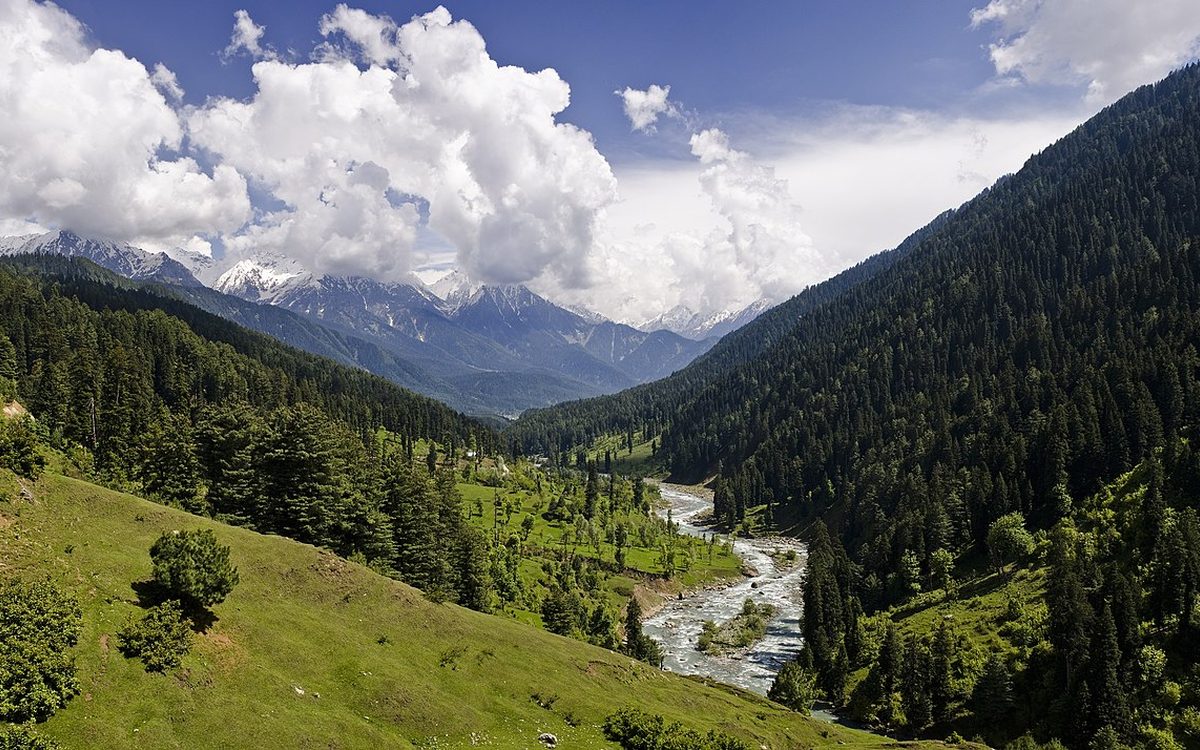
This is the classic path, longer and more gradual. From Pahalgam you move to Chandanwari, then climb through Pissu Top, Sheshnag lake, and Panchtarni before reaching the cave. It usually takes three to four days each way at a gentle pace. Because it rises slowly, it gives your body more time to adjust to altitude, and it passes some of the finest scenery of the whole trek. If you are already exploring that side of the valley, our Pahalgam travel guide and the write-up on the Aru, Betab and Chandanwari valleys set the scene for where this route begins.
The Baltal route (the short, steep one)
From Baltal, near Sonamarg, the cave is only around 14 to 16 kilometres away, and strong walkers can go up and return in a day or two. The catch is that it is steep and gains height quickly, which gives your body far less time to acclimatise. It suits fit, experienced trekkers who want a shorter trip and accept the harder climb.
Fitness and altitude preparation
Start preparing at least a month out. Daily walks of four to five kilometres, building up to longer distances, plus some stair climbing, make a real difference. Deep-breathing and gentle cardio help your lungs cope with the thin air up high.
Altitude is the serious risk here. The cave sits near 3,880 metres, and symptoms of altitude sickness, including headache, nausea, and breathlessness, are common. Climb slowly, drink water constantly, eat light, and do not ignore warning signs. If you feel genuinely unwell, descend. The shrine board runs medical posts along both routes for exactly this reason.
A practical caution: the biggest danger on this yatra is not the distance, it is going too fast at altitude. Pilgrims who take an extra day to acclimatise almost always have a better, safer darshan than those who rush.
Pony, palki and helicopter options
You do not have to walk every step. Several options help those who cannot manage the full climb.
- Ponies: available on both routes for most of the distance, hired at regulated points. Agree the rate and stage before you mount.
- Palki (palanquin): carried by porters, for those who cannot ride or walk. Costlier, but a genuine help for elderly pilgrims.
- Helicopter: services run to points near the cave on both routes, cutting the long walk to a short final stretch on foot or by pony. Seats are limited and booked separately, so reserve ahead and confirm current operators and fares for the year.
Prices for ponies, palki and helicopter seats move every season with fuel and demand, so treat any figure you read online as indicative and confirm on the ground or with the official operators for 2026.
What to pack and wear
Pack for cold, wet mountain weather even in July.
- Warm layers: thermals, a fleece, and a windproof, waterproof jacket. Nights are near freezing.
- Footwear: sturdy, non-slip trekking shoes already broken in, plus wool socks.
- Rain gear: a poncho or raincoat and a waterproof bag cover. Rain is likely.
- Essentials: a torch, a walking stick, a water bottle, basic medicines, glucose or dry fruit for energy, and sunscreen.
- Documents: registration slip, ID, and the health certificate, in a waterproof pouch.
Keep your load light. Every extra kilo feels like three at altitude.
Safety, weather and a responsible pilgrimage
Follow the shrine board's instructions on timings and route closures without argument. Weather can shut a route for hours or a day, and the yatra management holds people back for their own safety. Stay with the organised column, use the official langar and rest camps, and do not take shortcuts off the marked path.
Treat the mountain and the people who serve on it with respect. Free langars feed thousands of pilgrims; take what you need and waste nothing. Carry your litter back down, use the toilets provided, and keep the glacial streams clean. The route is lined with volunteers and local porters whose courtesy makes the whole thing possible.
Combining the yatra with a Kashmir trip
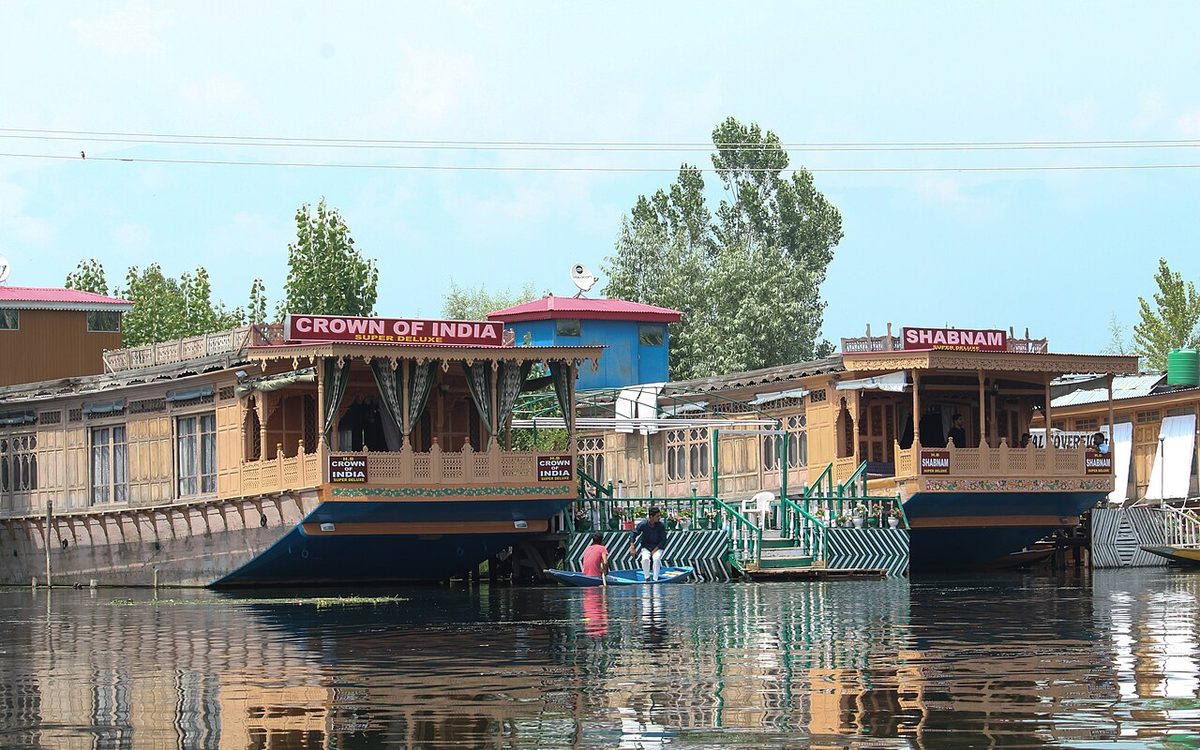
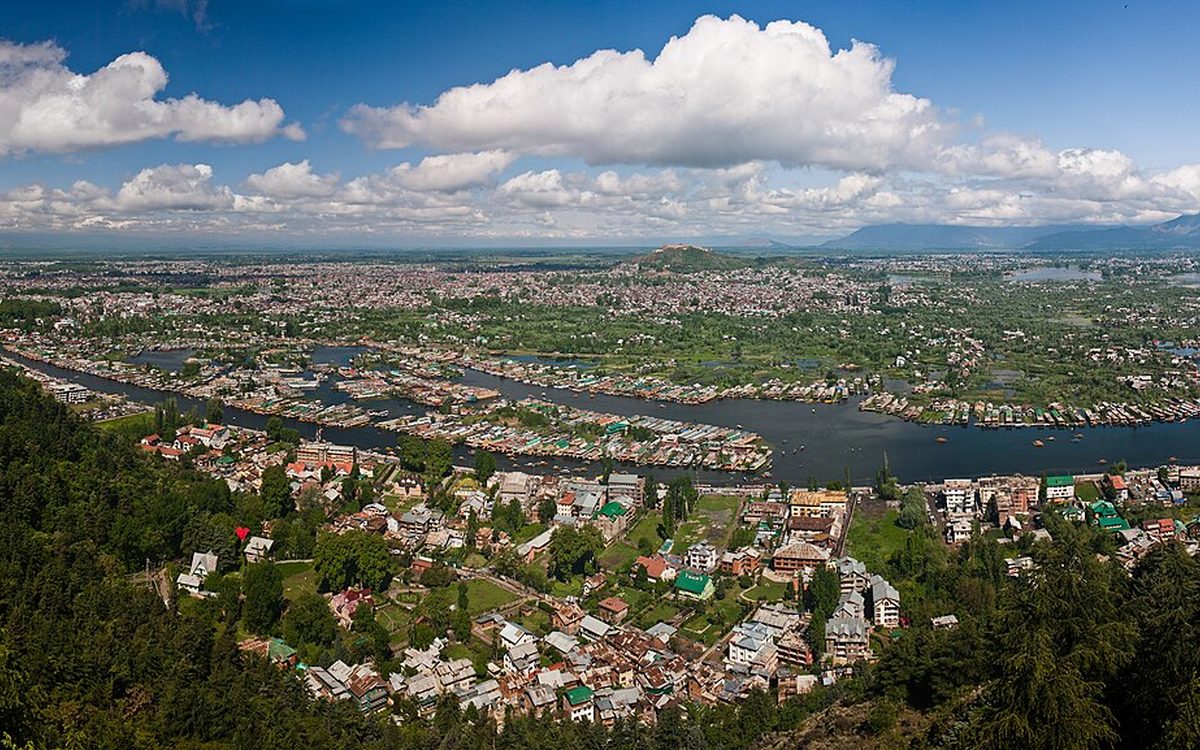
Many pilgrims add a few relaxed days in the valley on either side of the yatra, and it is a lovely way to recover. Since the Pahalgam route starts right in that beautiful region, a couple of easy days around Pahalgam, Betab Valley and the meadows let your body rest and let you see the gentler side of Kashmir. A short Srinagar stay, with a Dal Lake shikara evening, rounds the trip off well.
Plan it with care
The Amarnath Yatra is strenuous, cold, and deeply rewarding, and it goes best for pilgrims who prepare honestly: register early, get the health certificate, pick the route that matches your fitness, and climb slowly. If you would rather have the logistics, stays, and valley add-ons handled by someone local, start with our Pahalgam travel guide to understand the base region, then build the pilgrimage around a calm, well-paced plan.