Most people who visit Pahalgam spend a day on its three side valleys, and those three (Aru, Betab and Chandanwari) are what turn a nice riverside town into a proper mountain trip. Each has its own character, each has a reason to go, and there is one local rule about how you reach them that catches every first-timer. This guide covers the three valleys, the taxi system, the costs and timings, and which to prioritise if you are short on time.
The three valleys, and how they differ
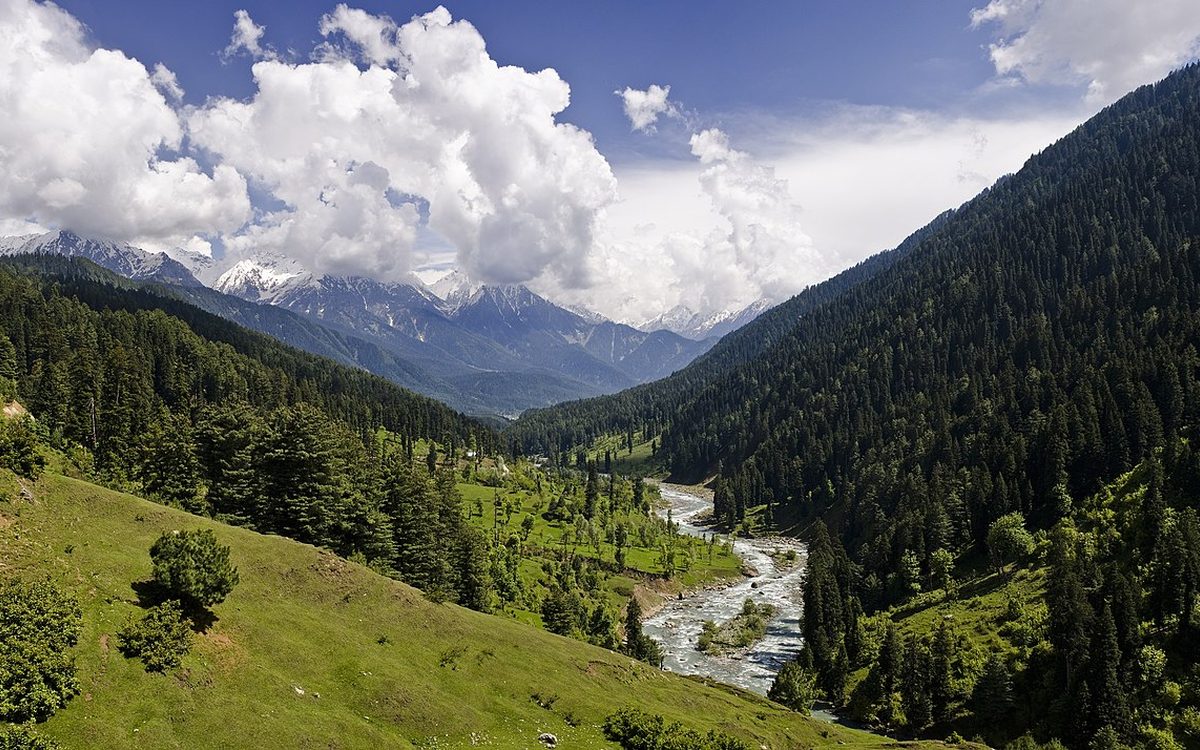
They sit in different directions from Pahalgam and feel genuinely distinct. Betab Valley is the close, green, photogenic one, a flat meadow framed by mountains that needs almost no effort. Aru Valley is further out, quieter, and the launch point for longer treks into the Lidderwat and Kolahoi country. Chandanwari is the highest, the start of the Amarnath pilgrim trail, and holds snow late into the season. Together they give you meadow, village and high mountain in a single day. For the town itself and where to stay, pair this with our Pahalgam travel guide.
Why you need the local taxi union cab
Here is the rule that surprises people. To visit the three valleys, you generally cannot take your own tour car or outside taxi beyond Pahalgam town. The local taxi union runs the valley routes, and you hire one of their vehicles for the circuit. It is not a scam; it is a long-standing local arrangement, and your Srinagar driver will expect it. So plan to park your main cab in Pahalgam and switch to a union vehicle for the valleys day.
Do not argue with the union system or try to sneak your own car up. It will cost you time and goodwill for nothing. Build the union cab into your plan and budget from the start, and the day runs smoothly.
Cost and timing of the valley circuit
The union charges fixed rates, usually a set tariff for the full three-valley circuit or per-valley options. As a rough 2026 guide, the three-valley circuit commonly lands somewhere around ₹2,000 to ₹3,000 per cab, with shorter options for fewer valleys, but confirm the current rate at the union stand because it changes and varies by vehicle. The circuit takes most of a day if you do all three properly, so start by mid-morning at the latest and do not try to bolt it onto a half day. One valley can be a couple of hours; three is a full outing.
Betab Valley
Betab is the easy win and the one nobody skips. It is close to Pahalgam, a short drive up, and opens into a flat green meadow with a stream and a dramatic mountain backdrop. Named after an old Hindi film shot here, it is set up for visitors with a ticketed entry, pathways and space to wander. You do not need to climb or trek; you can enjoy the best of it from the flat, which makes it perfect for families and older travellers. Give it an hour or two and plenty of photos.
Aru Valley
Aru is the quiet, higher-reward stop, a drive of roughly an hour from Pahalgam along the Lidder. It is a small village set in wide meadows, far less developed than Betab, and the base for serious treks toward Lidderwat, Kolahoi glacier and the high lakes. Even without trekking, Aru rewards a slow walk through the meadows and along the river. If you only have the appetite for walking in one valley, make it this one. The pastures above the village are some of the loveliest easy walking in the area.
Chandanwari and the Amarnath trailhead
Chandanwari is the highest of the three, about 16 kilometres from Pahalgam, and the official starting point of the Amarnath Yatra pilgrimage. It is cooler, rawer, and famous for a snow bridge over the Lidder that can last well into summer, which delights visitors who have never touched snow in July. There is less to "do" here in the sightseeing sense; the appeal is the altitude, the snow and standing at the mouth of the pilgrim trail. If you are visiting during or around the Yatra, expect more activity. For the pilgrimage itself, our Amarnath Yatra travel guide goes deeper.
Best season for the valleys
The valleys are at their best from late spring through early autumn, roughly May to September, when the meadows are green and the roads are clear. Betab and Aru are lovely through summer. Chandanwari, being higher, holds snow longer and can be chilly even in the warm months, so carry a layer. In peak winter, snow can limit access to the higher valleys, so confirm conditions locally before you plan. The best time to visit Kashmir guide gives the broader seasonal view.
What to skip if you are short on time
Only have a half day or energy for one or two valleys? Here is the honest order:
- Betab if you want maximum reward for minimum effort. Close, easy, gorgeous.
- Aru if you want a walk and a quieter feel, and are happy with the longer drive.
- Chandanwari last, unless snow in summer or the Amarnath trailhead is a specific draw for you.
Two valleys done calmly beats three done in a rush, and the drive time adds up, so choose based on what you actually enjoy rather than ticking all three. If you are slotting this into a bigger trip, our 7-day Kashmir itinerary shows where the Pahalgam valleys fit.
Photography and practical tips
- Go early for soft light and before the day's crowds and cabs fill the meadows.
- Carry cash for the union cab, entry tickets and ponies; cards are not reliable up here.
- Agree pony and guide prices first, including the route and turnaround point.
- Pack a layer and rain shell; the higher valleys are cold and the weather turns fast.
- Wear proper shoes for meadow walks and the odd muddy or snowy patch.
The bottom line
Aru, Betab and Chandanwari are the heart of a Pahalgam trip: meadow, village and high mountain in one well-planned day. Book the local union cab, start early, and prioritise Betab and Aru if time is tight. Pair this with our Pahalgam travel guide to round out where you stay and what to eat, and you will have the valley sorted.